
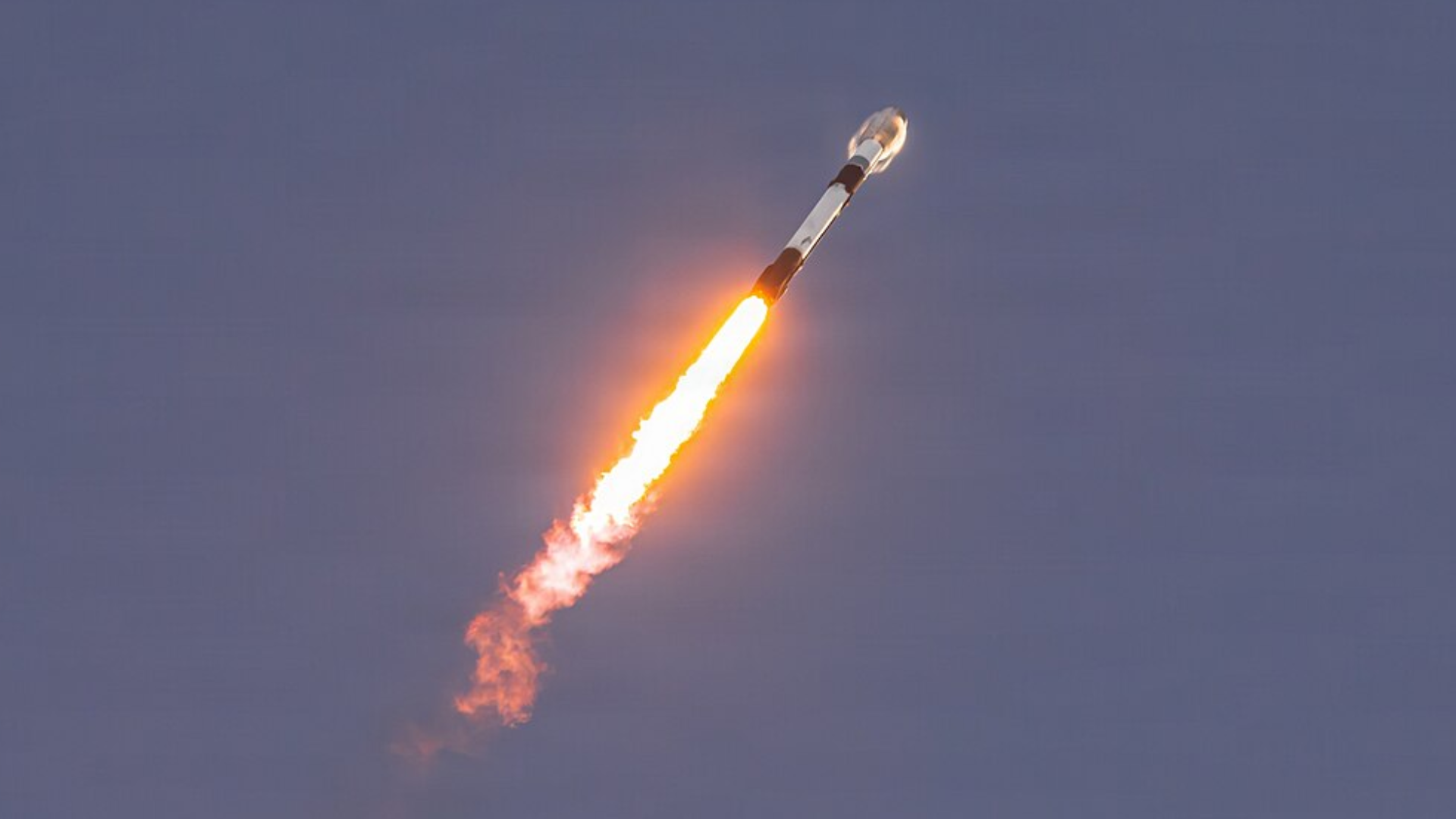
According to Tom's Hardware, the capsule launched from Cape Canaveral as a secondary payload on SpaceX's Bandwagon-5 rideshare mission. It carried field rations, bottled water, a satellite-communications tracker, batteries and other equipment. The lab also checked whether a UNI-PAC III life raft fits inside the capsule, ahead of a possible future test.
The Starfall capsule is about 3 meters (10 feet) across and can carry up to about 1,000 kg (2,200 pounds). It has a carbon-fiber heat shield, compressed-gas thrusters for attitude control and a parachute system for landing. According to the report, the Air Force hopes to reach tens of tons in the future, but that depends on Starship, which is still in development.
Adam Remaly, director of the lab's Technology Transition Office, called it "a critical achievement" in demonstrating point-to-point delivery. Sierra Space is also developing a reentry vehicle for the program, called Ghost, and has carried out drop tests from up to 68,500 feet. It has not been announced when Rocket Cargo will become operational.