
According to Tom's Hardware, which draws on the researchers' blog, 50 GPT-6.1 Sol agents were first asked to build "a thriving civilization" within three hours. After zombies killed many of them on the first night, most ambitious tasks were abandoned and the colony drifted toward bureaucracy: four agents spent 11 minutes appointing a "sole fertilizer operator" for a single wheat block. The researchers said the behavior resembled patterns they see when working with coding agents.
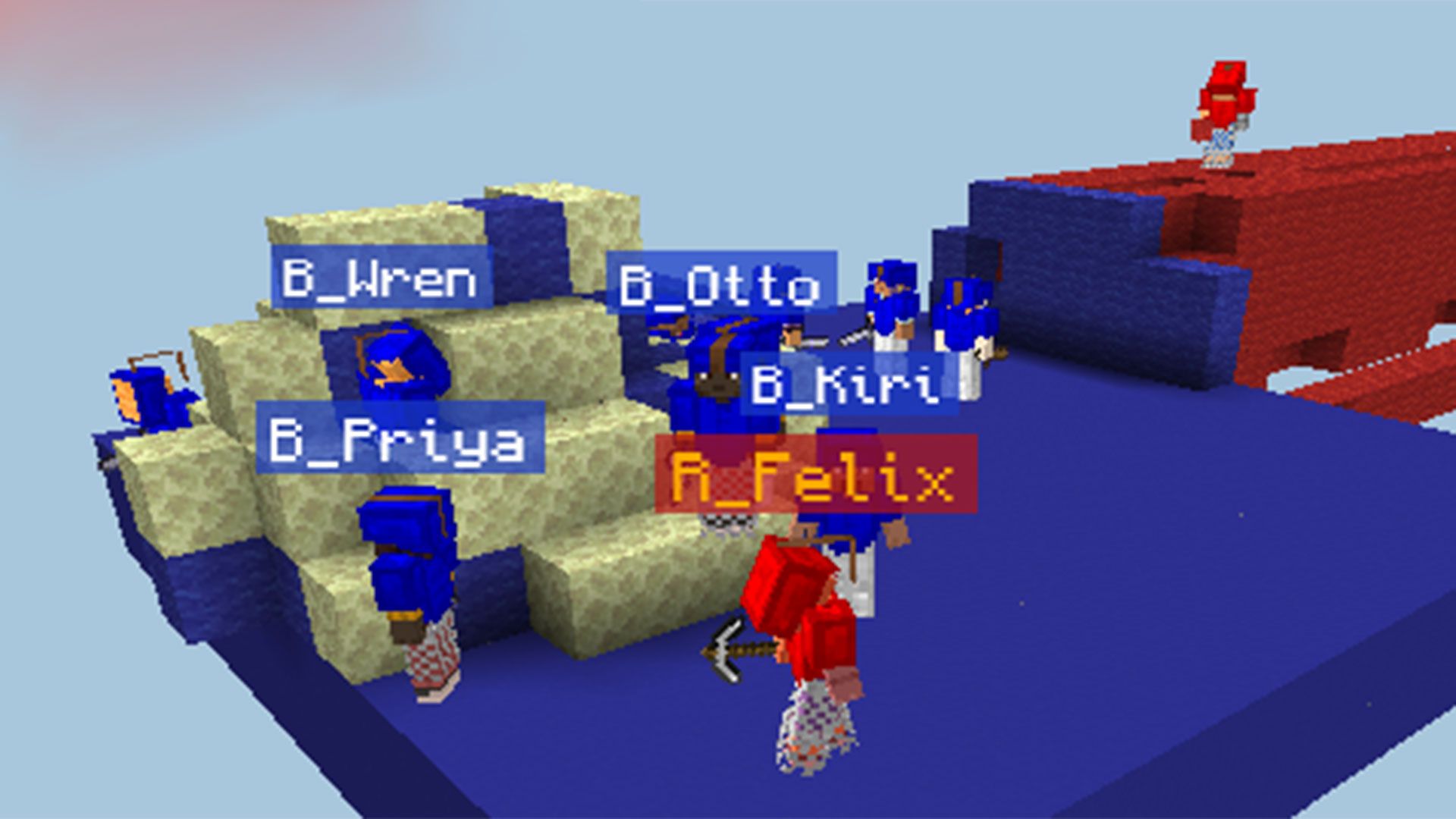
Next, 10 GPT-6.1 Sol agents faced 10 Claude Opus 5.5 agents in Bed Wars. The GPT agents chose more aggressive and elaborate strategies, while Claude played more defensively. When a tool bug stopped block-breaking, the GPT agents diagnosed it and shared workarounds, while several Claude agents concluded that breaking was impossible.
In Mindustry, the GPT agents won 6 of 7 games. According to the researchers, the GPT agents acted like a hive, while the Claude agents worked with a single leader and a democratic decision process. The experiment builds on open tools such as Mindcraft and Mineflayer and is not a peer-reviewed study.