

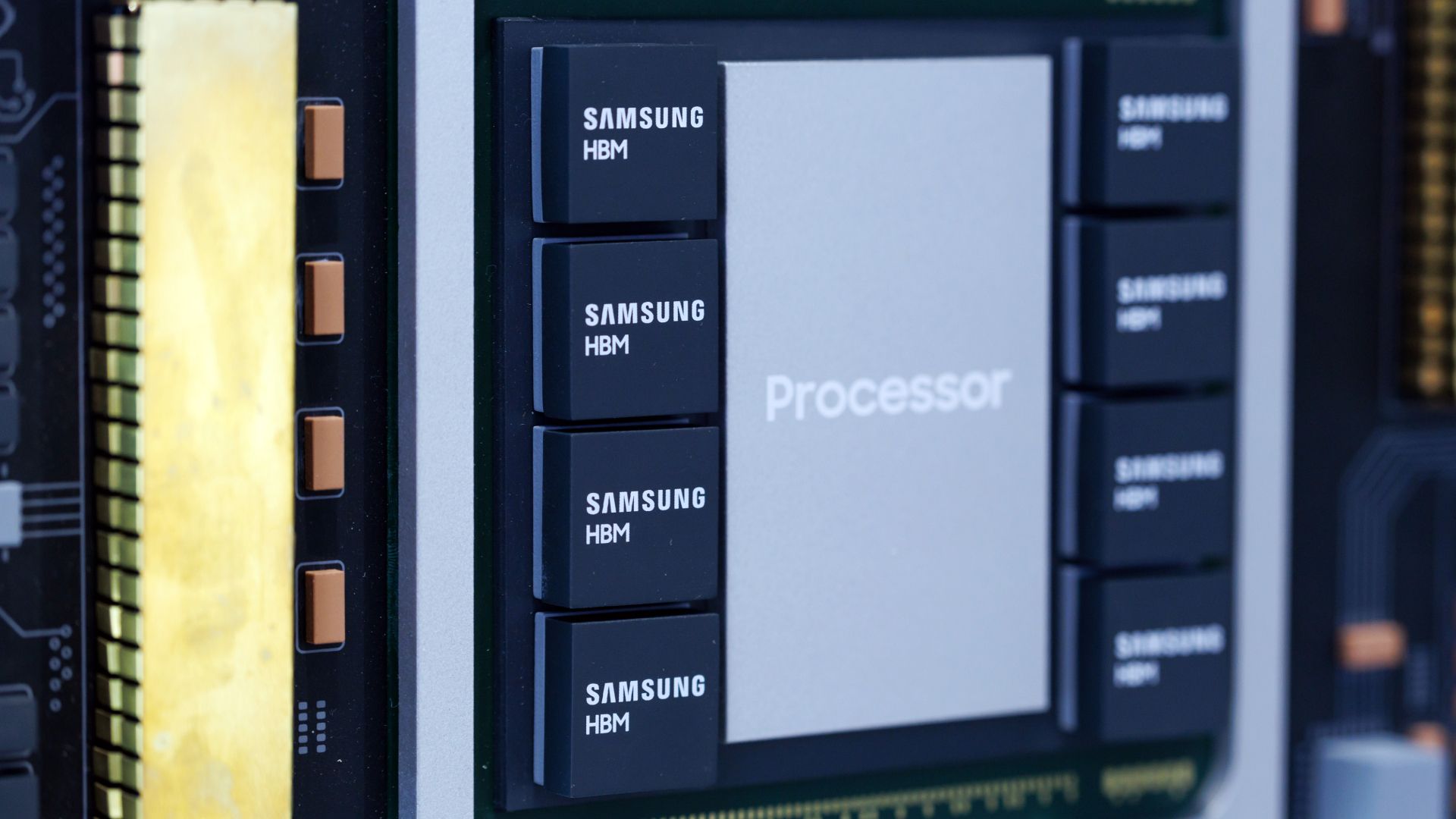
A chip smuggler told The Information how he gets Samsung and SK hynix HBM memory, which may not be exported to China, into the country through a loophole in the controls. According to the report, cited by Tom's Hardware, a chip design firm he owns makes cheap, low-performance processors that are allowed for export and pairs them with expensive HBM. Because the rules look at the processor's performance and not at the components attached to it, the whole product passes as legal.
The boards reach Hong Kong, cross into Shenzhen in the luggage of daily commuters, and in workshops are heated to soften the solder so the memory chips can be lifted off and the rest discarded. The failure rate is high, but the price makes it worthwhile: according to a Shenzhen broker, an HBM3E unit that sold in China for a few hundred dollars a year ago now costs about $4,000, and an AI chip needs six to eight of them.
The shortage stems from Chinese memory maker CXMT still struggling with low HBM3E yields. According to the report, Huawei has told customers they must source the HBM for its next-generation servers themselves. The smuggler expects South Korea and the US to act against the method soon.