

Until now Starship has ended its missions with controlled splashdowns over unpopulated ocean areas. To return to Starbase it will have to fly over inhabited areas of northern Mexico and southern Texas. SpaceX notes that the Space Shuttle, Dragon, Soyuz and Shenzhou all reentered over land, and that on earlier flights it deliberately removed heat shield tiles and pushed the vehicle beyond the loads of a normal reentry.
Under the plan, Starship will first launch onto a passively safe suborbital trajectory, and only after a systems check will it burn to reach orbit. There it will deploy Starlink V3 satellites, three of them modified to photograph its heat shield. After a coast of about 21 hours it will come back if it meets conditions set by the company and approved by the FAA. Throughout the mission there are options to end it early with a splashdown in the Pacific.
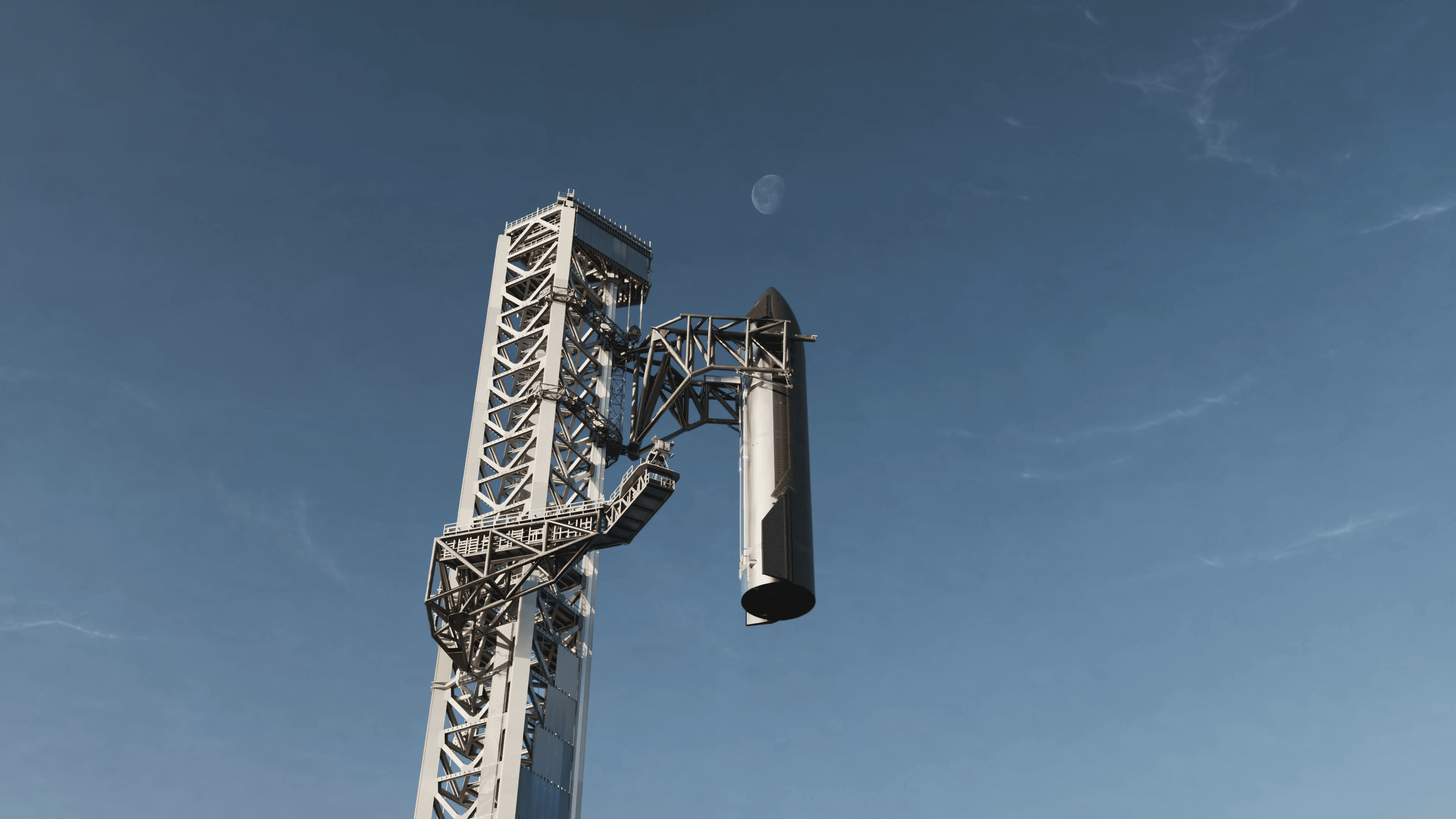
On approach to Starbase the vehicle will weave around the major cities of the Rio Grande Valley, and residents of Cameron County may hear one or more sonic booms. At the end it will light three Raptor engines, flip vertical and be caught by the tower's arms. SpaceX says full recovery of an orbital launch system has never been done, and that it is the basis for rapid reuse.