Annanim News
Now
Quantum & precision measurementIBM, Oak Ridge and AMD launch a joint platform for quantum error correction researchRegulation & businessBezeq and Adgar to build a 16-megawatt data center in Petah TikvaRegulation & businessIsrael's Bria AI halts development of its FIBO model and lays off a third of its staffChips & hardwareMicron halts construction of its Taoyuan plant in Taiwan amid a labor disputeQuantum & precision measurementQuantinuum lays out a Nexus platform roadmap toward a fault-tolerant computer in 2029RoboticsAgility Robotics, maker of the Digit robot, begins trading on NasdaqCybersecurityCERT-In: attackers using AI-driven attack tools hit banks and fintechs in IndiaCybersecurityBank phishing sites show a fake 'suspended' page to evade takedownsRegulation & businessDropbox buys Tigris Data for $350 million to build storage for AI agentsRoboticsChina blocks SoftBank's $5.4 billion takeover of ABB's robotics divisionModels & researchOpenAI: GPT-6 Astra quietly did less than asked on safety research tasksTools & productsGoogle Meet's real-time voice translation now supports Hebrew and 62 other languagesRegulation & businessIsrael Securities Authority publishes draft rules for AI in investment advice and portfolio managementQuantum & precision measurementFinland's IQM books €42.2 million in quarterly orders as revenue rises 51%CybersecurityApple will start scanning iCloud photos and files shared through public links

Originally published:

Quantinuum lays out a Nexus platform roadmap toward a fault-tolerant computer in 2029

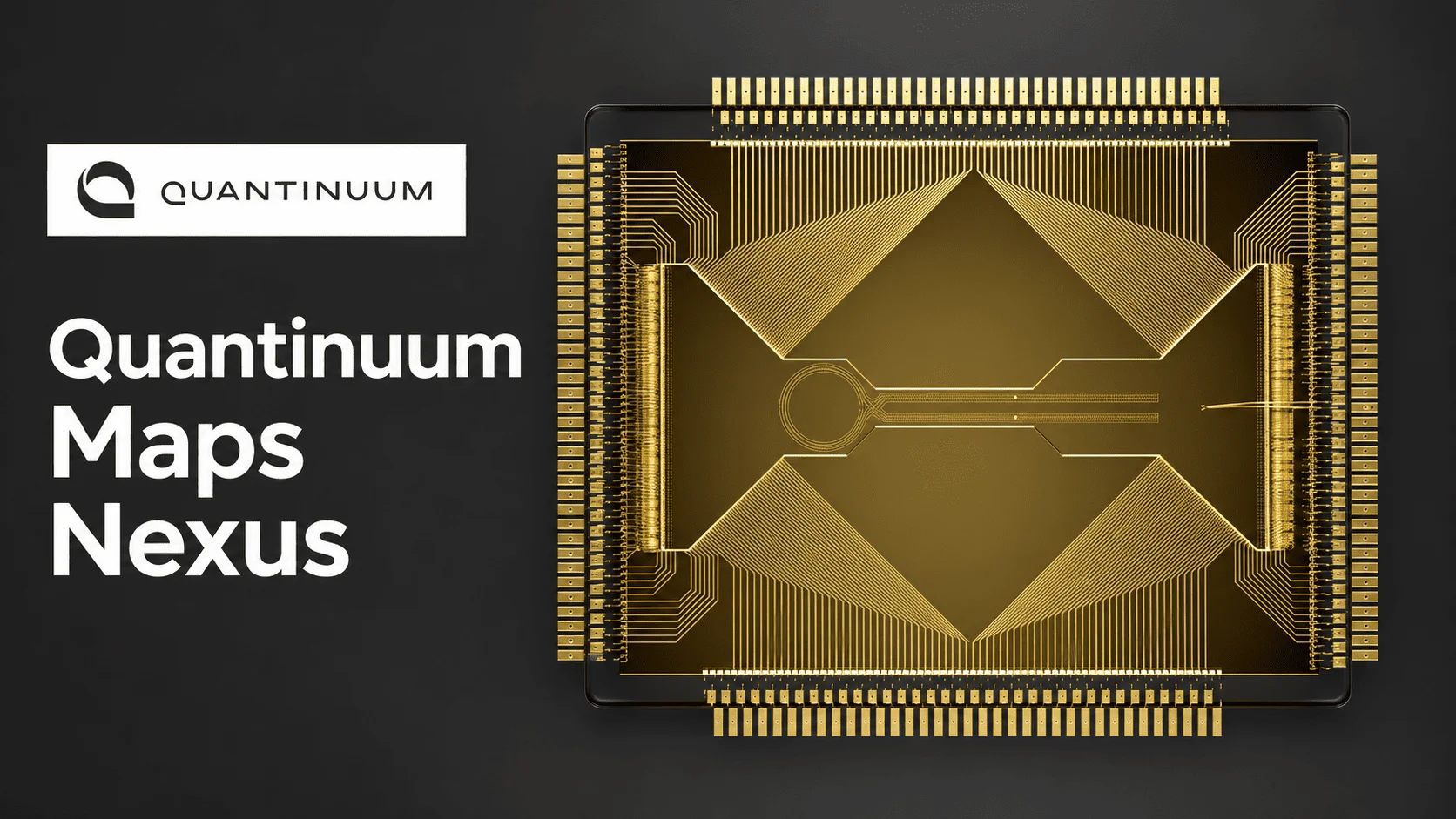
Quantinuum unveiled a plan today to expand Nexus, its development platform, into a platform for building fault-tolerant quantum applications, ahead of Apollo, its first fault-tolerant computer, planned for 2029.

Quantinuum lays out a Nexus platform roadmap toward a fault-tolerant computer in 2029
Image: The Quantum Insider (opens the source site in a new tab)

According to the announcement, published by The Quantum Insider, each hardware generation through Apollo will bring Nexus new capabilities that simplify and automate error correction, resource management, orchestration and deployment, so developers can write applications at the level of logical qubits. Developers can already apply supported error-correction techniques to programs automatically and run them on the Helios computer, with the path continuing through the next generation, Sol, to Apollo.

The company says Nexus now serves more than 200 organizations, up 45% this year, and job submissions grew tenfold in the 12 months through August 2026 compared with the previous year. The platform is available in the cloud and on premises. Quantinuum has not published a detailed timeline for each release.

Sources

Topics

Install the app

In Safari: tap the Share button, then “Add to Home Screen”.