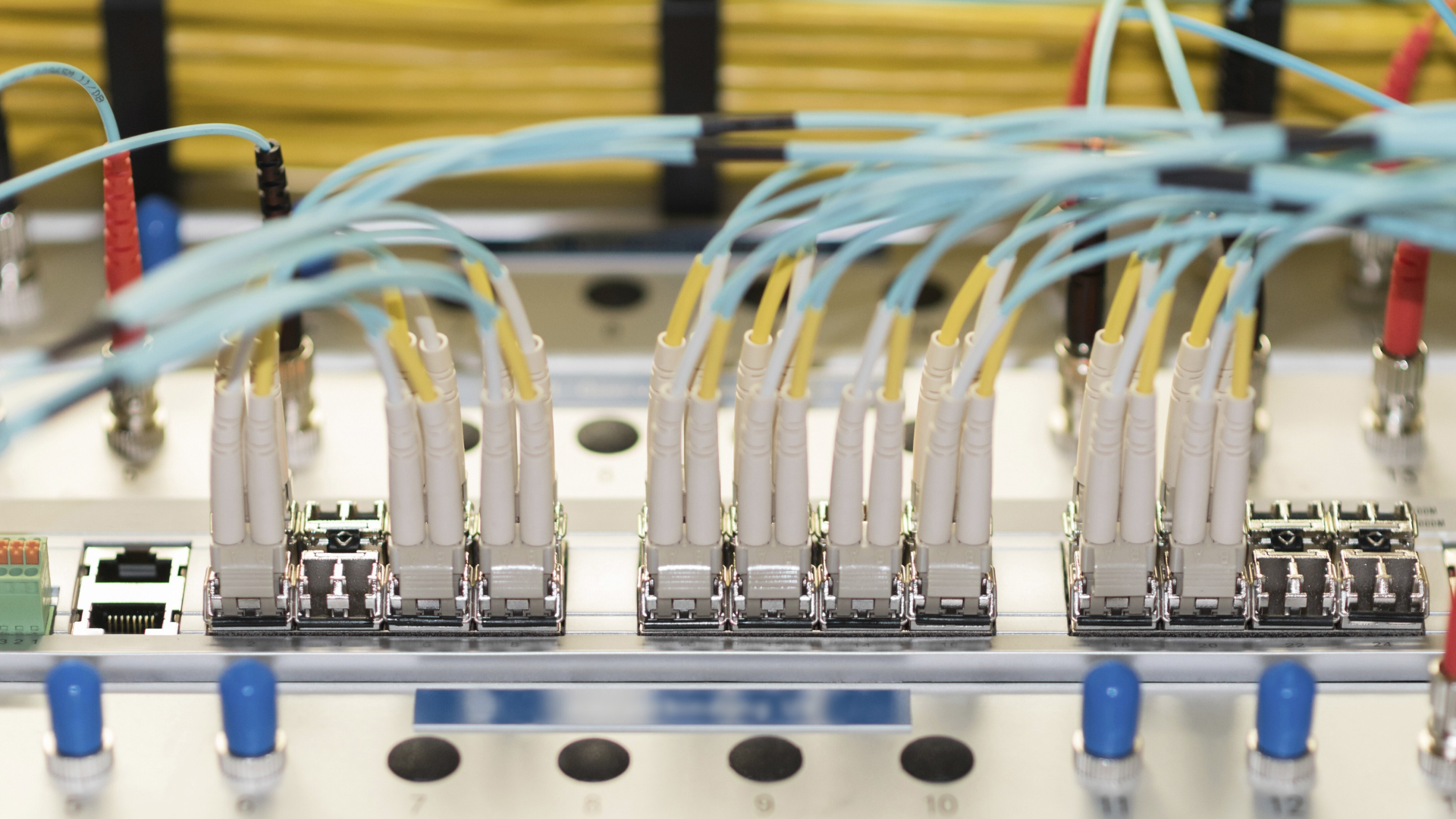
China–US: The FCC is weighing limits on imports of Chinese optical transceivers, the parts that convert electrical signals to light and link AI servers in data centers, over fears of spying or disruption. According to Tom's Hardware, Microsoft is lobbying against the move, and the industry group ITI warns it could "grind to a halt" data center construction: Chinese makers supply about 66% of the global market, and the US has only two producers, Coherent and Lumentum. One compromise under consideration would block only 3.2-terabit-per-second transceivers, whose mass production is not expected until 2028.
Chips: Suzhou-based GPU maker Denglin Technology began trading in Hong Kong on Tuesday after raising HK$1.41 billion (about $180 million) in its IPO. The company sold 6.125 million shares at HK$231 each, the bottom of its price range. Denglin develops general-purpose GPUs for AI workloads.
Chips and geopolitics: According to a report cited by Tom's Hardware, Alice Huang, a Megaspeed executive with whom Nvidia CEO Jensen Huang has confirmed an affair and who is suspected of working for Chinese intelligence, helped bring Nvidia AI chips worth about $7.5 billion in total into China, including some 240,000 chips banned for export, mostly H100 and H200. These are claims from a press report and have not been independently verified.
Tech and cars: According to China Passenger Car Association (CPCA) data reported by Electrek, Tesla sold only 8,817 cars to buyers in China in October, down 66% from a year earlier and its weakest month there since July 2022. The Shanghai factory exported 87% of its output. In the same month Xiaomi delivered more than 50,000 cars and Leapmotor 106,127.