Chips: Alibaba said Tuesday that its chip unit T-Head confidentially filed for a Hong Kong listing on September 11, and that the exchange has cleared it to proceed with the spin-off. T-Head designs chips for data centers and is currently wholly owned by Alibaba, which plans to keep control after the listing. The size and structure of the offering have not been set.
Models: Alibaba opened a preview of Qwen4-Max, the flagship of its next-generation Qwen family, on Wednesday. The model also accepts images and video and handles up to a million tokens of context. Developers can access it through a Token Plan subscription, and it is also available in the Qwen app and in Qoder, QwenWork and QwenStudio.
On-device chips: Huawei detailed how its Kirin 9050 series runs a 30-billion-parameter model on the device, with no internet connection. The new Da Vinci neural processing unit uses low-bit quantization and coordinates memory and compute. It is a mixture-of-experts (MoE) model that activates about 2 billion parameters at a time.
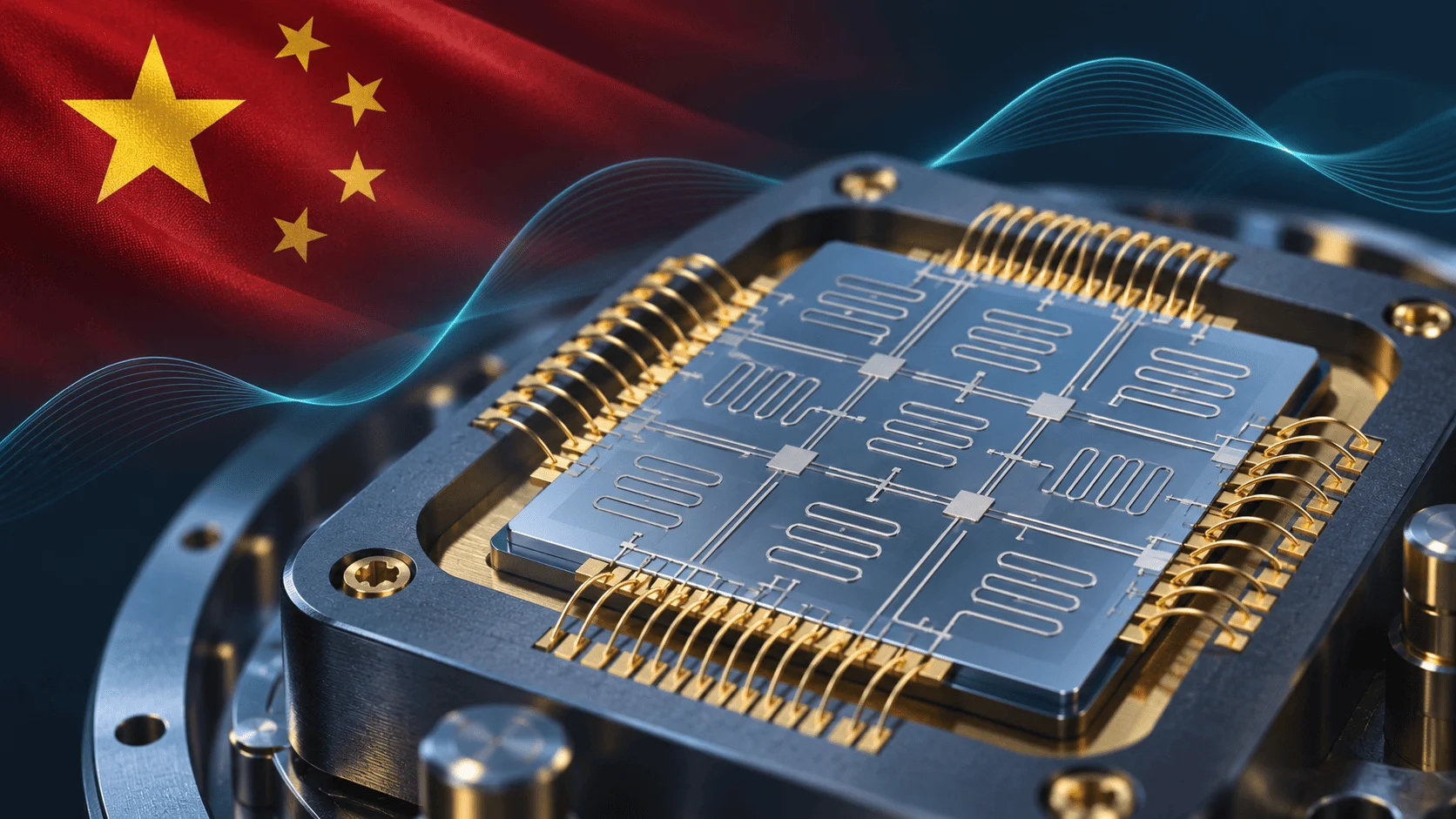
Quantum: Chinese startup Zhengyuan Quantum, founded this year, completed an angel round of undisclosed size to develop a 1,000-qubit superconducting quantum computer. According to The Quantum Insider, investors include Shenzhen Capital Group and Pudong Venture Capital. The site notes that 1,000 qubits alone do not guarantee a useful computer.
Tech: Huawei executive Richard Yu confirmed that the company will launch a new smartphone sub-brand called OSTA on November 20. The name and date were officially disclosed after reports of a trademark filing, and the first phone is expected to be called the OSTA O1 Pro.