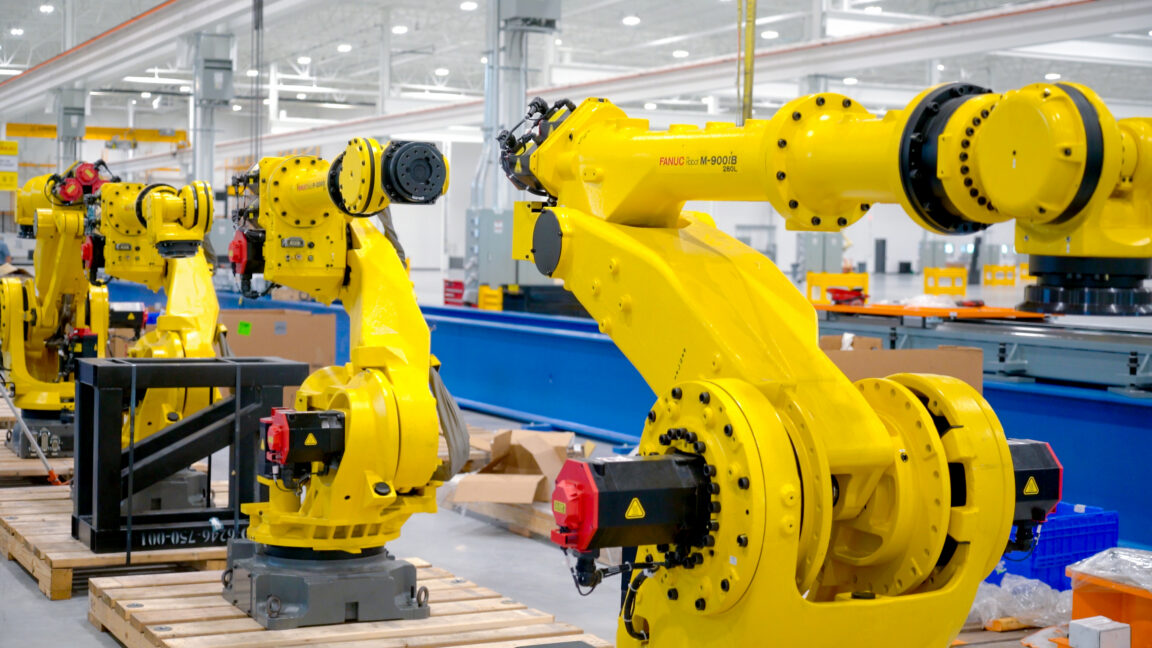
According to the proclamation, based on the investigation report submitted by Commerce Secretary Howard Lutnick, robots and industrial machinery are critical to virtually all modern manufacturing, including defense production. It explicitly names "advanced robots" such as autonomous, humanoid and quadruped robots, and cites cybersecurity risks that have grown along with imports.
The president directed the commerce secretary and the US trade representative to negotiate with trading partners to "adjust" imports. According to Ars Technica, if no agreements are reached within 180 days, the proclamation leaves room for tariffs, duties, quotas and fees. The proclamation itself acknowledges that US production is insufficient and that the country relies on imports for most types of robots and components.
The move extends an FCC step from July 2026 that banned new models of foreign-made robots such as robot vacuums, robot dogs and humanoids, but exempted fixed industrial arms. The four largest industrial arm makers, FANUC, ABB, Yaskawa and KUKA, are based in Japan, Switzerland and Germany, and no US company currently offers comparable heavy-duty arms.
Industry observers do not expect immediate tariffs. Brendan Schulman of Boston Dynamics wrote that the next step is six months of negotiations, and Ash Sharma of Interact Analysis told The Robot Report the decision should not be read as a new tariff today but as a sign of direction. It is not yet known which products agreements will cover or how large importers such as automakers will be affected.