Annanim News
Now
CybersecurityMore stories: Apache Roller, F5 flaws, Rockwell and AGILOX, and quantum researchCybersecurityUkraine and the FBI arrest four suspects in a ransomware gang that collected more than $40 millionQuantum & precision measurementNIST shows the first complete quantum position verification: quantum physics confirms where a person isAutonomous vehiclesTesla tightens driver monitoring in its European driving system: hands on the wheel above 130 km/hCybersecurityPalo Alto Networks to acquire Applied Compute for $4.5 billion in stockModels & researchGoogle launches Gemini 4 Neon, a fast model for code, office work and agentsChinaChina Watch: Tencent raises its computing infrastructure spending sixfoldCybersecurityDecade-old NGINX flaw lets attackers run code on HTTP/2 servers without logging inRegulation & businessAnthropic prices its IPO at $83 a share, above the range, and starts trading on Nasdaq todayCybersecurityMore stories: cracking BitLocker PINs, Russian hackers and Nvidia's guaranteesSpace, satellites & commsVoyager 1 becomes the first human-made object one light-day from EarthCybersecurityIsrael's Vero Security raises $11 million to secure enterprise AI agentsAI agentsGoogle turns its Spark agent into Tasks inside Gemini and makes it free

Originally published:

Japan's Fugaku supercomputer breached: data of over 4,000 users may have been stolen

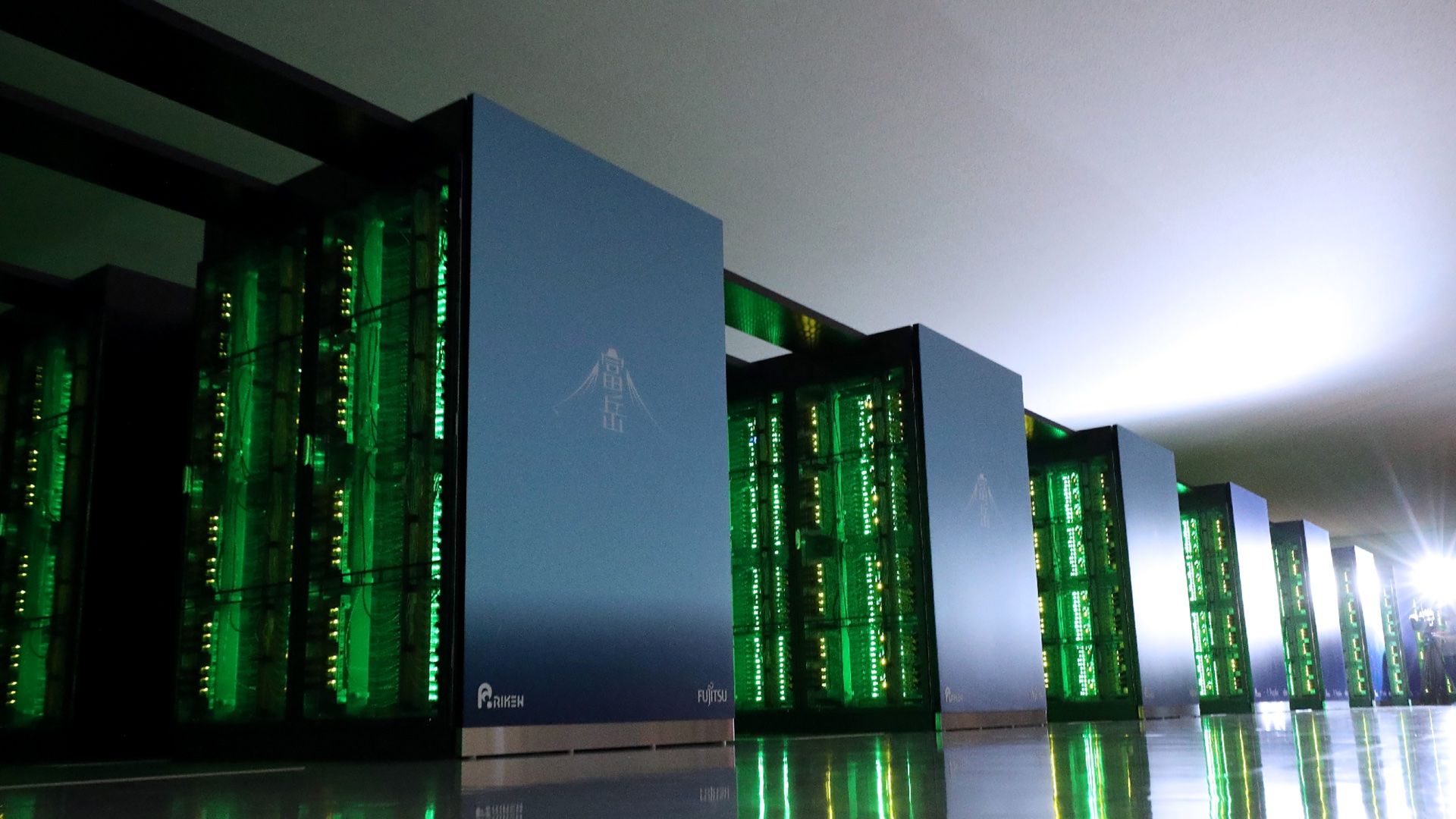
Japan's national research institute Riken said attackers got into Fugaku, the country's most powerful supercomputer, through an external status dashboard. Names, email addresses, research files and login credentials may have been taken.

Japan's Fugaku supercomputer breached: data of over 4,000 users may have been stolen
Image: Tom's Hardware (opens the source site in a new tab)

According to Riken, personal information of more than 4,000 Fugaku users and of 375 users of Rikyu, the institute's AI supercomputer, may have been taken. The data includes names, email addresses, research files and the credentials used to log in to the systems.

According to the Japan Times, operators noticed suspicious communications on 12 November, and on 14 November the investigation confirmed unauthorised access, which was then blocked. Between 10 and 13 November the attackers used the machine's externally accessible operational status dashboard as a way into the internal network, and unauthorised software was installed on some servers. The dashboard has been taken offline, and Riken has not yet detailed how the attackers moved further.

Fugaku, built with Fujitsu and running in Kobe since 2021, was once the world's fastest computer and now ranks ninth. Users who logged in to Riken's systems should change their passwords and access keys and watch for phishing that may use the leaked details.

Sources

Topics

Install the app

In Safari: tap the Share button, then “Add to Home Screen”.