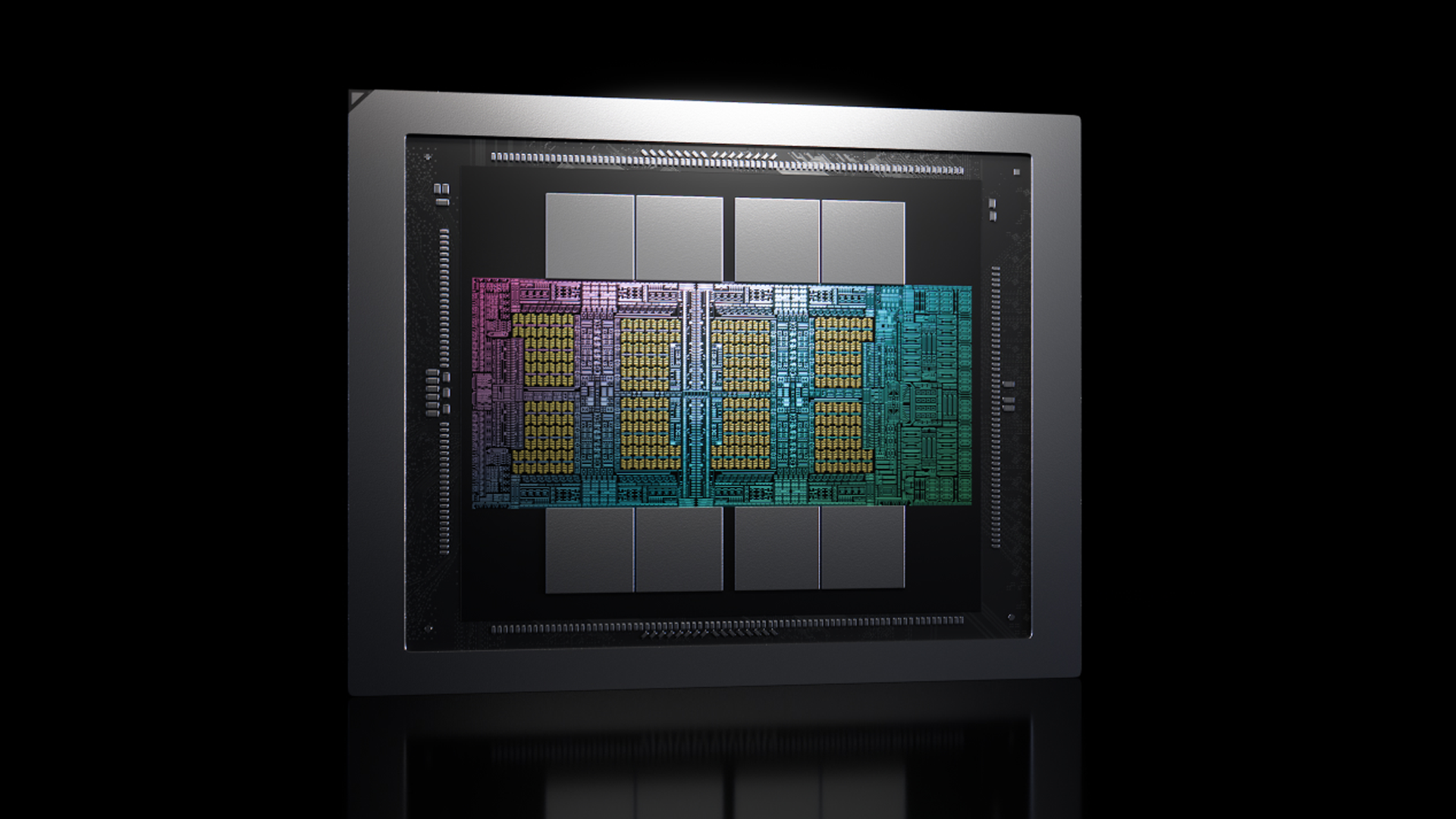
According to Nvidia, Rubin HPC has more than 50,000 CUDA cores, the most on any single Nvidia GPU, a sparse-data acceleration capability, and seventh-generation NVLink for GPU-to-GPU connections. The company pitches it for the simulations AI agents run to test materials, molecules and designs, in climate, genomics, engineering and financial risk analysis.
Tom's Hardware notes that the current Rubin GPU has 28,672 CUDA cores, so the new part likely uses a multi-die package similar to Rubin Ultra. Nvidia did not disclose its HBM capacity or bandwidth, or whether it boosted native FP64 performance, which AMD and Intel are emphasising at the conference.
According to Nvidia, its CUDA-X libraries give agents ready-made implementations of simulation and analytics algorithms, and together with Rubin HPC they are meant to shorten the loop of hypothesis, simulation and refinement. That would let researchers point lab work at the most promising candidates sooner.