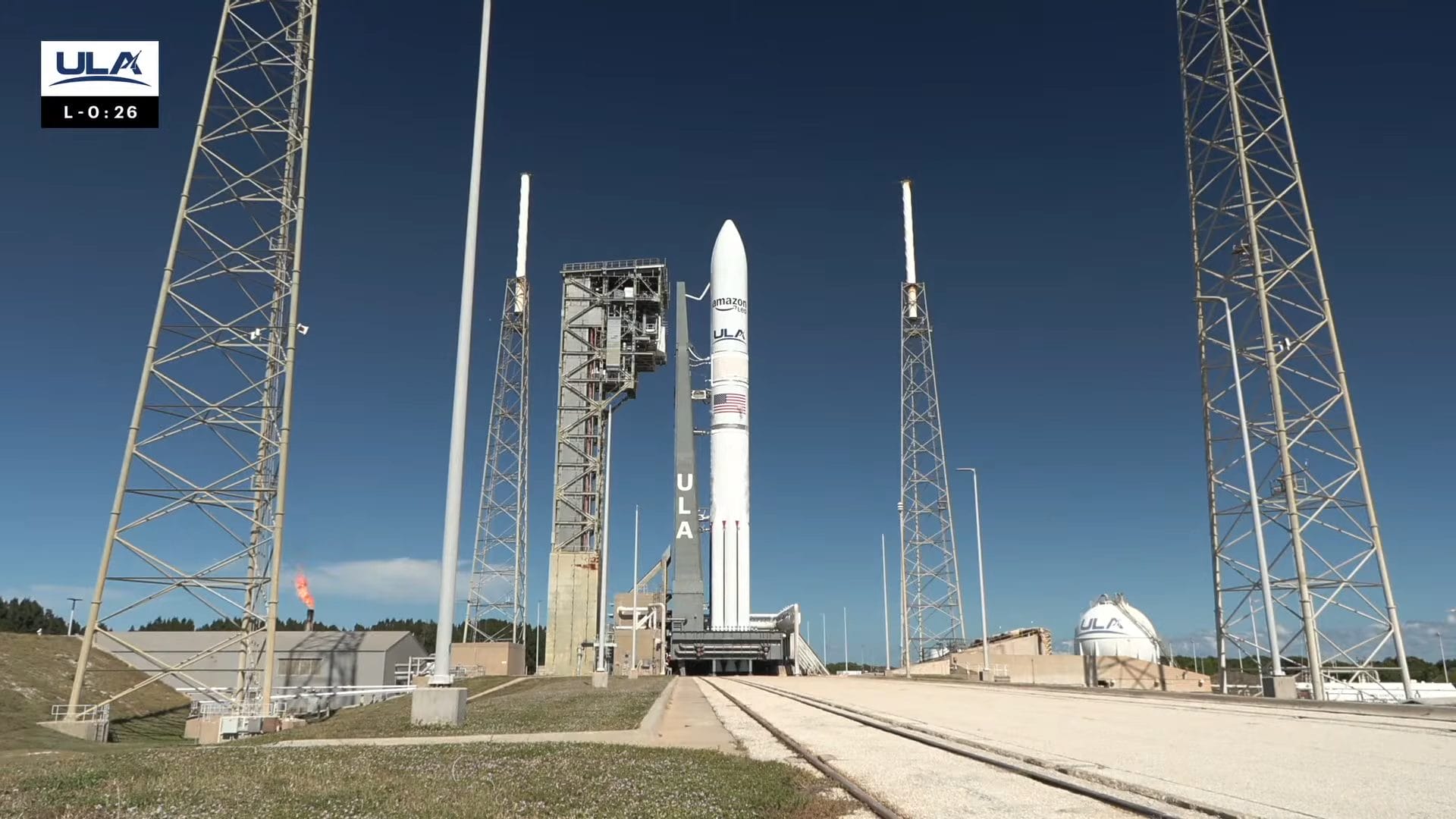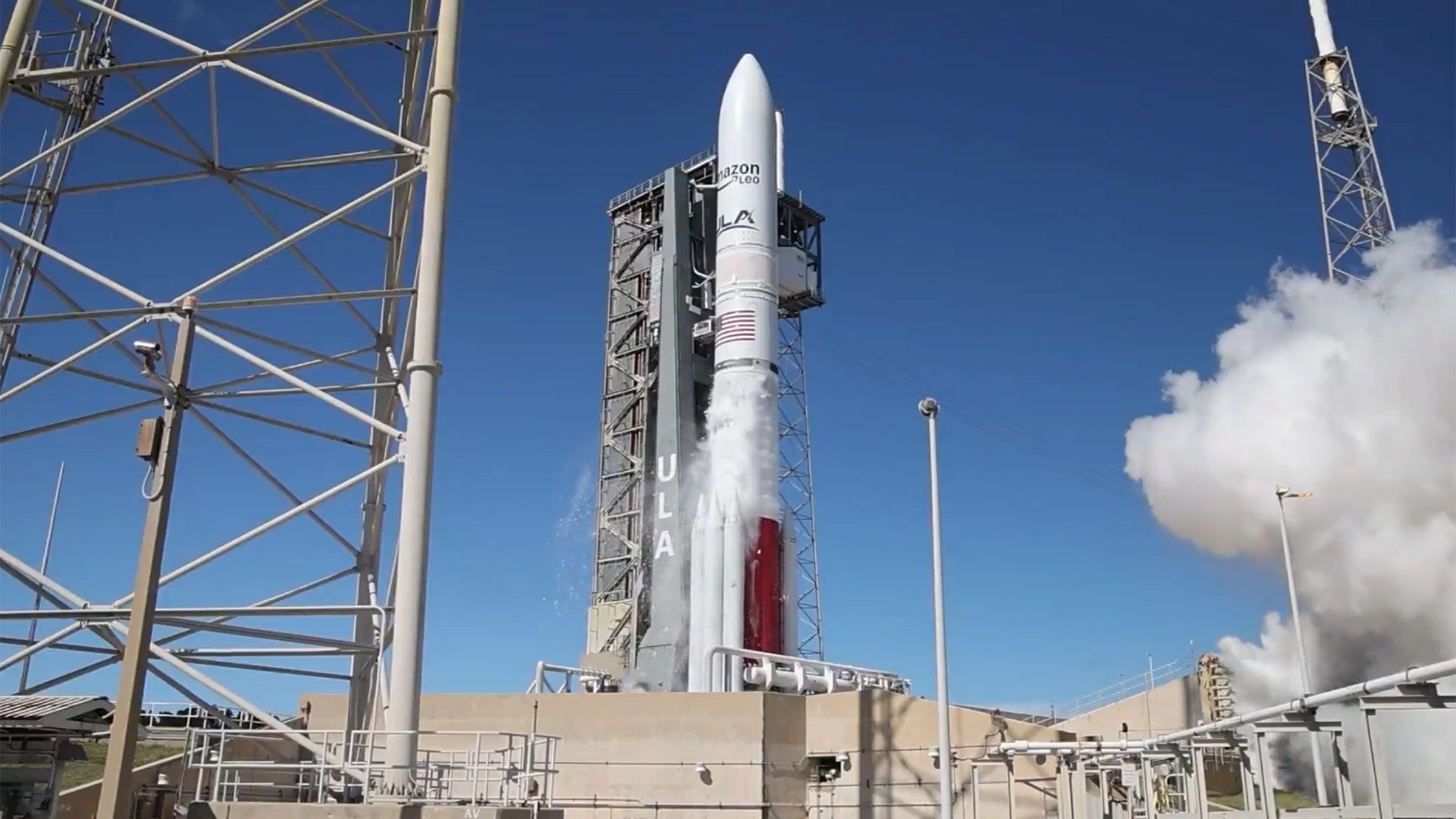
According to Tom's Hardware, the rocket launched from Space Launch Complex 41 at Cape Canaveral, Florida. ULA, a joint venture of Boeing and Lockheed Martin, confirmed that Vulcan "suffered an anomaly" ten minutes into the flight and "failed to deliver the Amazon mission to orbit." The company said it is still analyzing the data and will work with its customer to find the cause and return to flight as quickly as possible.
According to the report, Amazon has so far successfully launched 392 satellites for the network, formerly Project Kuiper, but needs at least 500 for basic global coverage. According to Geektime, the 40 lost satellites are about 10% of the company's satellites. Amazon planned to move from a commercial beta to a full launch of the service at the end of 2026, and according to Tom's Hardware that timeline is now uncertain.
According to the reports, Amazon has already built about 1,000 satellites, but ULA will need to understand what happened before the next launch. Vulcan had already been grounded for nine months earlier over investigations into problems with its solid rocket boosters.