Annanim News
Now
CybersecurityMore stories: Apache Roller, F5 flaws, Rockwell and AGILOX, and quantum researchCybersecurityUkraine and the FBI arrest four suspects in a ransomware gang that collected more than $40 millionQuantum & precision measurementNIST shows the first complete quantum position verification: quantum physics confirms where a person isAutonomous vehiclesTesla tightens driver monitoring in its European driving system: hands on the wheel above 130 km/hCybersecurityPalo Alto Networks to acquire Applied Compute for $4.5 billion in stockModels & researchGoogle launches Gemini 4 Neon, a fast model for code, office work and agentsChinaChina Watch: Tencent raises its computing infrastructure spending sixfoldCybersecurityDecade-old NGINX flaw lets attackers run code on HTTP/2 servers without logging inRegulation & businessAnthropic prices its IPO at $83 a share, above the range, and starts trading on Nasdaq todayCybersecurityMore stories: cracking BitLocker PINs, Russian hackers and Nvidia's guaranteesSpace, satellites & commsVoyager 1 becomes the first human-made object one light-day from EarthCybersecurityIsrael's Vero Security raises $11 million to secure enterprise AI agentsAI agentsGoogle turns its Spark agent into Tasks inside Gemini and makes it free

Originally published:

Two new routers led to Friday's nationwide halt of US flights

The US Federal Aviation Administration (FAA) found that two recently installed HPE Juniper routers flooded its aging communications network, disrupting contact between air traffic controllers and pilots. The failure led to a nationwide ground stop.

Two new routers led to Friday's nationwide halt of US flights
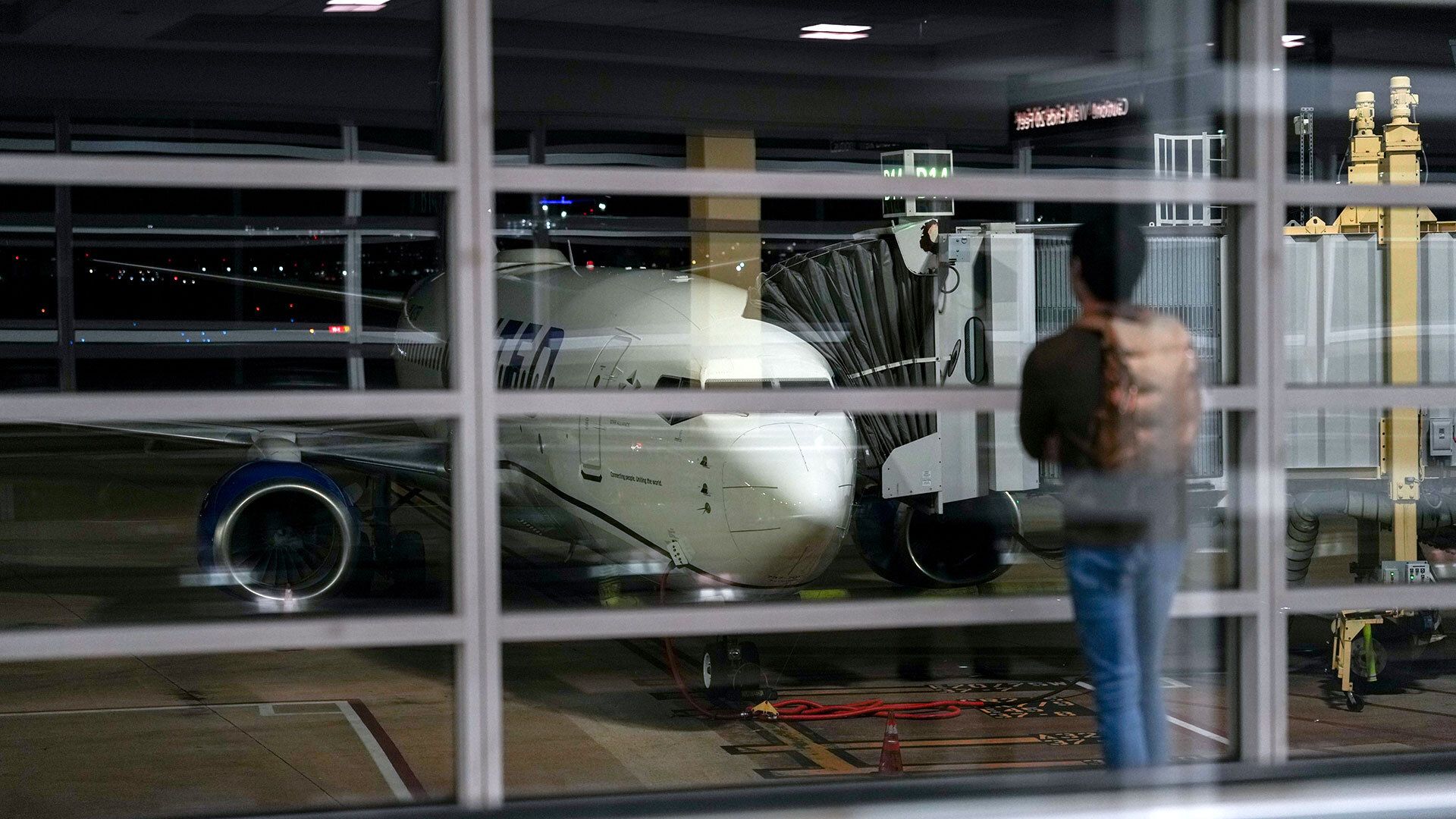
Image: Tom's Hardware (opens the source site in a new tab)

The problem first appeared at the Indianapolis Center, where staff had trouble communicating with flight crews. The FAA traced it to two sources: a radio site in El Dorado, Arkansas and a radar site in Amarillo, Texas, where new routers had begun sending a high volume of data across the network. FAA technology chief Rebecca Guy said they were generating about a thousand connections every four to five seconds.

A modern network would handle that load easily, but the FAA still relies on a decades-old copper network that is being replaced with fiber. A specific router feature was eventually found to cause the overload, and FAA staff switched it off on all Juniper routers across the network. It took about four hours to bring the network back to normal.

FAA Administrator Bryan Bedford said the agency is examining whether it was a faulty installation, a faulty configuration or bad equipment. An HPE spokesperson said the routers "did not fail" and worked as intended. On-board safety systems such as TCAS were not affected. It is only the third nationwide ground stop the FAA has ordered, after 11 September 2001 and the NOTAM system outage in January 2023.

Sources

Topics

Install the app

In Safari: tap the Share button, then “Add to Home Screen”.