Annanim News
Now
CybersecurityMore stories: Apache Roller, F5 flaws, Rockwell and AGILOX, and quantum researchCybersecurityUkraine and the FBI arrest four suspects in a ransomware gang that collected more than $40 millionQuantum & precision measurementNIST shows the first complete quantum position verification: quantum physics confirms where a person isAutonomous vehiclesTesla tightens driver monitoring in its European driving system: hands on the wheel above 130 km/hCybersecurityPalo Alto Networks to acquire Applied Compute for $4.5 billion in stockModels & researchGoogle launches Gemini 4 Neon, a fast model for code, office work and agentsChinaChina Watch: Tencent raises its computing infrastructure spending sixfoldCybersecurityDecade-old NGINX flaw lets attackers run code on HTTP/2 servers without logging inRegulation & businessAnthropic prices its IPO at $83 a share, above the range, and starts trading on Nasdaq todayCybersecurityMore stories: cracking BitLocker PINs, Russian hackers and Nvidia's guaranteesSpace, satellites & commsVoyager 1 becomes the first human-made object one light-day from EarthCybersecurityIsrael's Vero Security raises $11 million to secure enterprise AI agentsAI agentsGoogle turns its Spark agent into Tasks inside Gemini and makes it free

Originally published:

US disrupts FaceStealer, a North Korean campaign that stole over $400 million in crypto

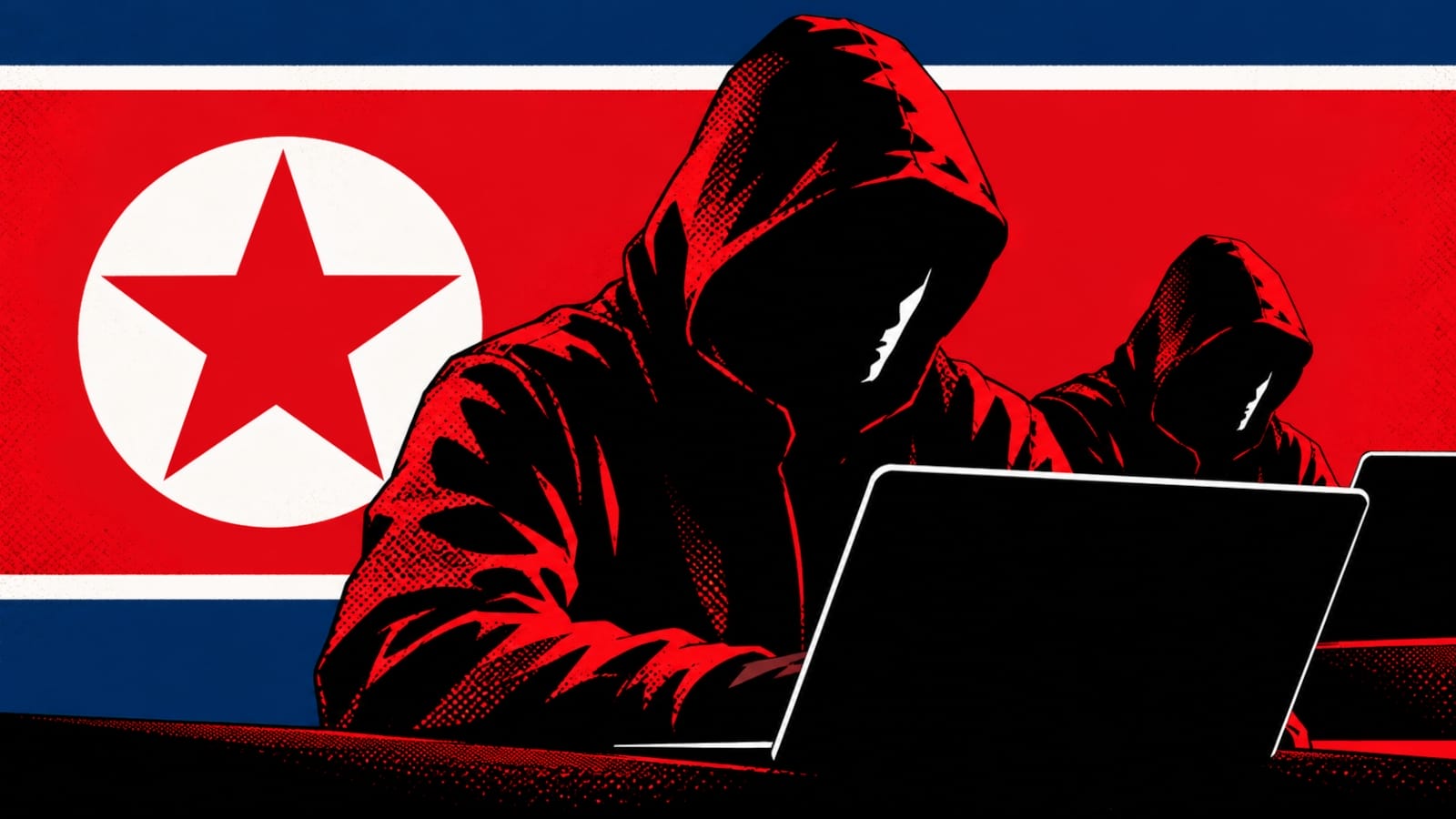
The US government seized the cloud infrastructure behind FaceStealer, a North Korean social engineering campaign that ran for 18 months against crypto and Web3 workers and open-source developers. According to the FBI, the attackers used video calls featuring recordings of people the victims knew.

US disrupts FaceStealer, a North Korean campaign that stole over $400 million in crypto
Image: BleepingComputer (opens the source site in a new tab)

According to the FBI alert, the attackers hijacked accounts on Telegram, LinkedIn, Slack and Discord and used them to invite victims to video meetings. The meetings showed recordings of people the victim knew who had fallen for the scheme earlier, and while the victim waited for the meeting to start, they were secretly recorded for use against the next target. After a "technical issue", the victim was shown a link to a "fix" that installed malware stealing crypto data and credentials for platforms such as Zoom, Google Meet and Microsoft Teams. Authorities identified more than 900 secretly recorded webcam videos.

Arctic Wolf researchers attributed the campaign to the BlueNoroff group and identified 677 targets in 58 countries, mostly company founders and senior executives. According to the FBI, the attackers sometimes waited months or even more than a year after the initial compromise before acting, likely so the victim's crypto holdings would grow. In one case they compromised the maintainer of a popular JavaScript library with tens of millions of weekly downloads, but the attack was stopped thanks to quick detection.

What to do: join meetings only through official apps using an invite code, verify unexpected invitations through a separate channel, keep the webcam off when it is not needed, and do not run scripts or installers offered as a "fix" for a technical problem during a call.

Sources

Topics

Install the app

In Safari: tap the Share button, then “Add to Home Screen”.