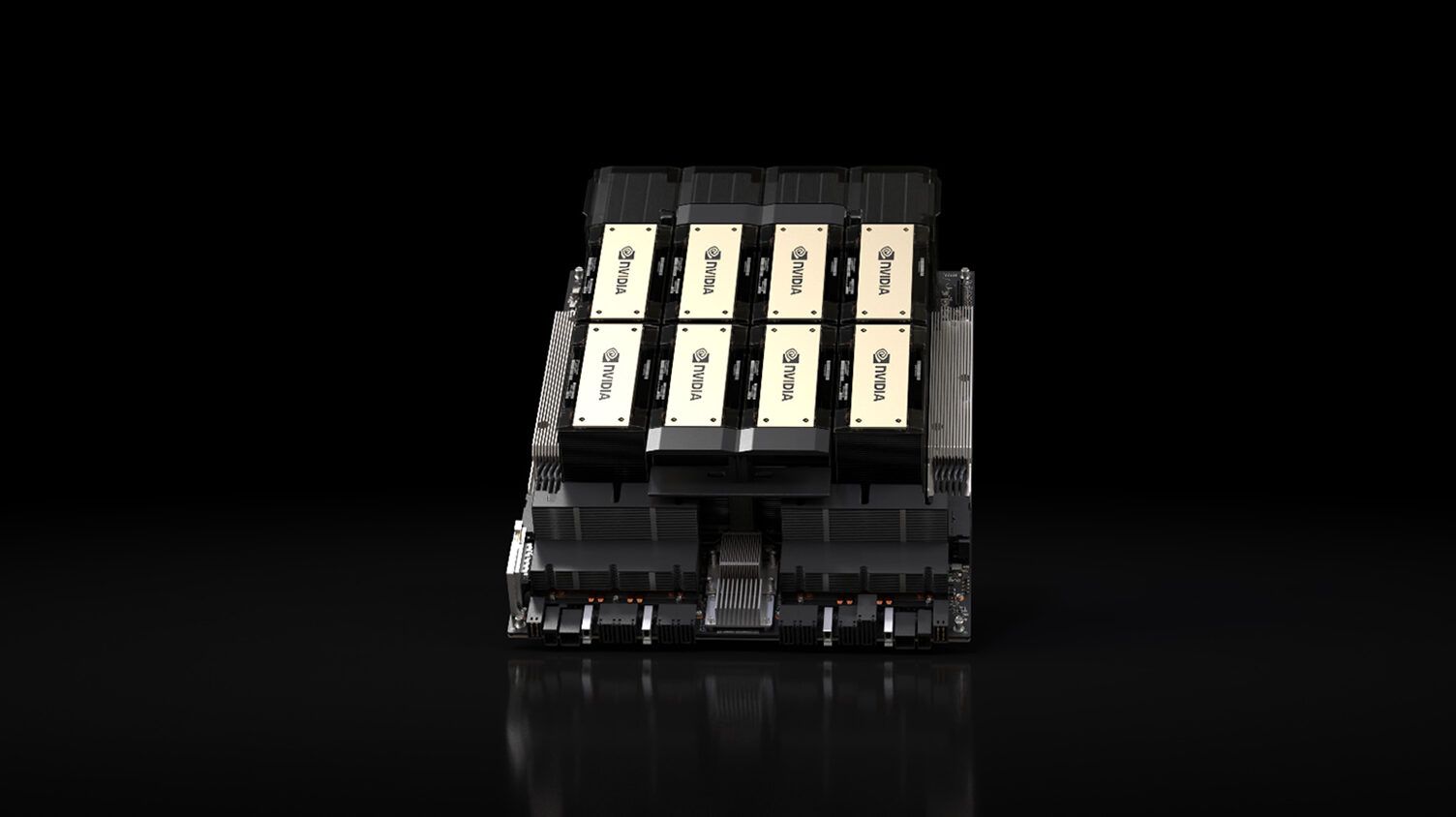
Chips: Malaysia plans a law requiring data center operators to disclose how many AI accelerators they import, their power consumption, where their facilities are and who their large customers are, to stop restricted hardware being diverted to China. Investment, Trade and Industry Minister Johari Abdul Ghani acknowledged that companies had rented space in local data centers, imported processors legally and then shipped them on. Operators will also have to pay for all the electricity capacity they reserve, even if they do not use it. According to Tom's Hardware, the number of processors cannot be inferred precisely from power use alone, and reliable verification would require physical audits.
Energy: Huawei unveiled the Luterra S2, a home energy system that combines a hybrid inverter, modular batteries and AI-based energy management. Single-phase versions deliver 3 to 10 kW and three-phase versions up to 20 kW. The base configuration starts at 5 kWh and can be expanded with 7 kWh modules up to 336 kWh across interconnected systems. Huawei says it is the first system of its kind built on its own full silicon carbide (SiC) architecture. No price was announced.
Cars: Dongfeng Nissan, Nissan's joint venture in China, opened early orders for the NX7, a plug-in hybrid (PHEV) SUV priced at 129,900 yuan (about $19,400). It has a 40.9 kWh LFP battery, up to 320 km of electric range and a total range of 1,666 km. Higher trims get a 55-inch head-up display running on Qualcomm's Snapdragon 8295P and a voice assistant developed with iFlytek. The production version will be shown to the public for the first time at the Guangzhou Auto Show later this month.