

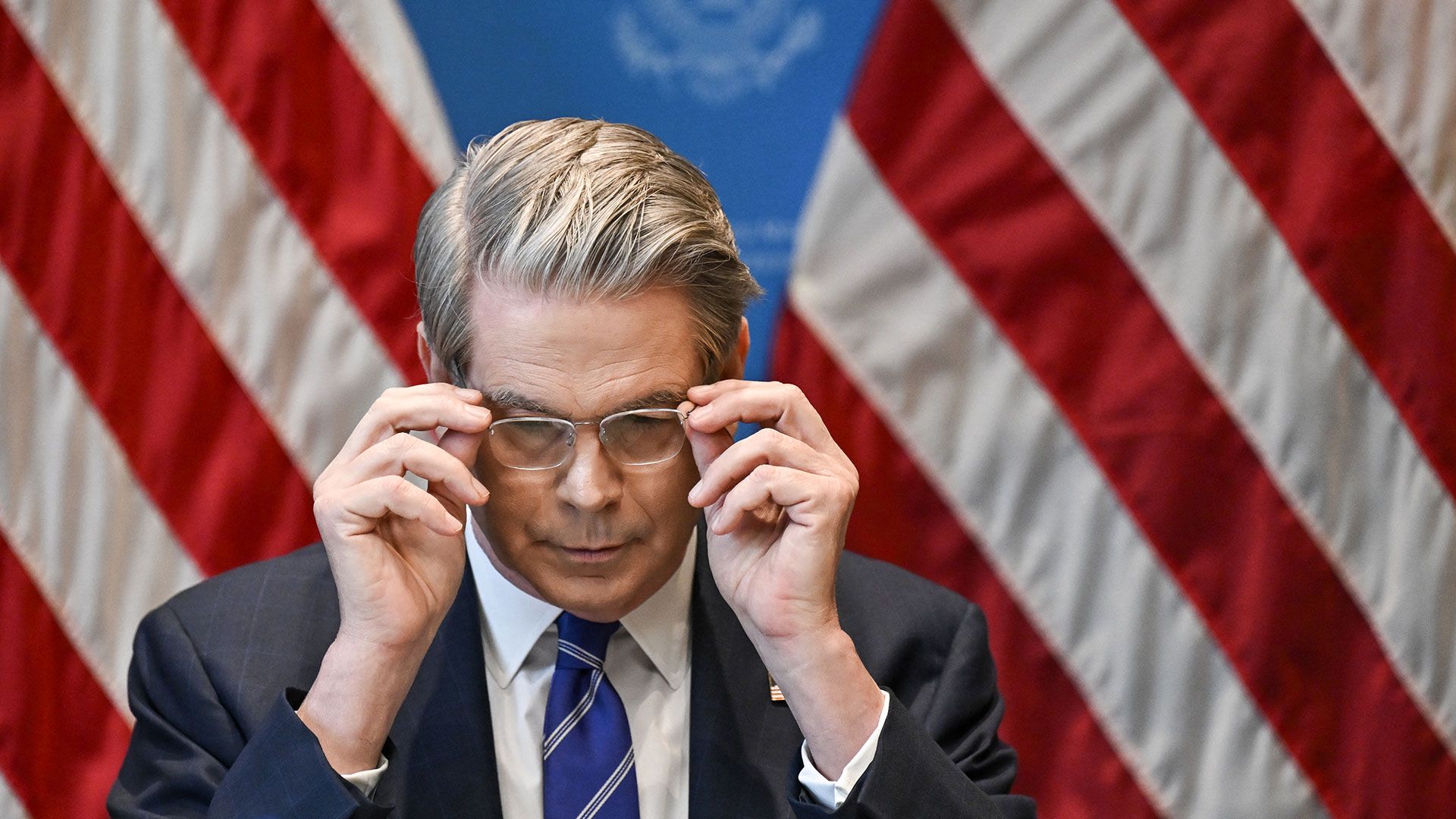
In an interview with CNBC, Bessent said "there is a lot of leakage in the system" and that the US is constantly working to close it. "The story has been thus far on Jensen Huang's personal foibles. The real story here should be, did Nvidia know their client?" he said. If the company did sell to shell companies, he said, it did not have robust controls, and anyone responsible should be held accountable. He added that it is not known for a fact that Huang knew, and that he is confident Nvidia's board will conduct a thorough investigation.
Bessent criticized Nvidia's general counsel, Timothy Teter, who reportedly contacted the Commerce Department to ask whether US authorities were behind the detention in Singapore of an executive from Megaspeed, the data center company at the center of the affair. The general counsel "probably should have done more oversight" rather than pressing government officials, Bessent said.
Bessent said the Treasury, War and State departments and the Office of the US Trade Representative (USTR) had supported adding Megaspeed to the US Entity List for months. That authority belongs to the Commerce Department's Bureau of Industry and Security (BIS), which reportedly stalled the move because Commerce Secretary Howard Lutnick feared it could worsen trade tensions with China. Bessent said stricter export rules or new powers are not needed, only proper enforcement of the existing ones.