More stories: AntiFox agents hit AWS and SpaceX's Kessel rack
Two more stories from this round: attackers using AI agents against AWS environments, and a report on a Rubin system SpaceX is building itself.
27 stories
Two more stories from this round: attackers using AI agents against AWS environments, and a report on a Rubin system SpaceX is building itself.
Arctic Wolf researchers report that attackers are running instances of AntiFox, an open-source agentic penetration testing platform, on Alibaba Cloud servers and using them against web services and AWS environments.
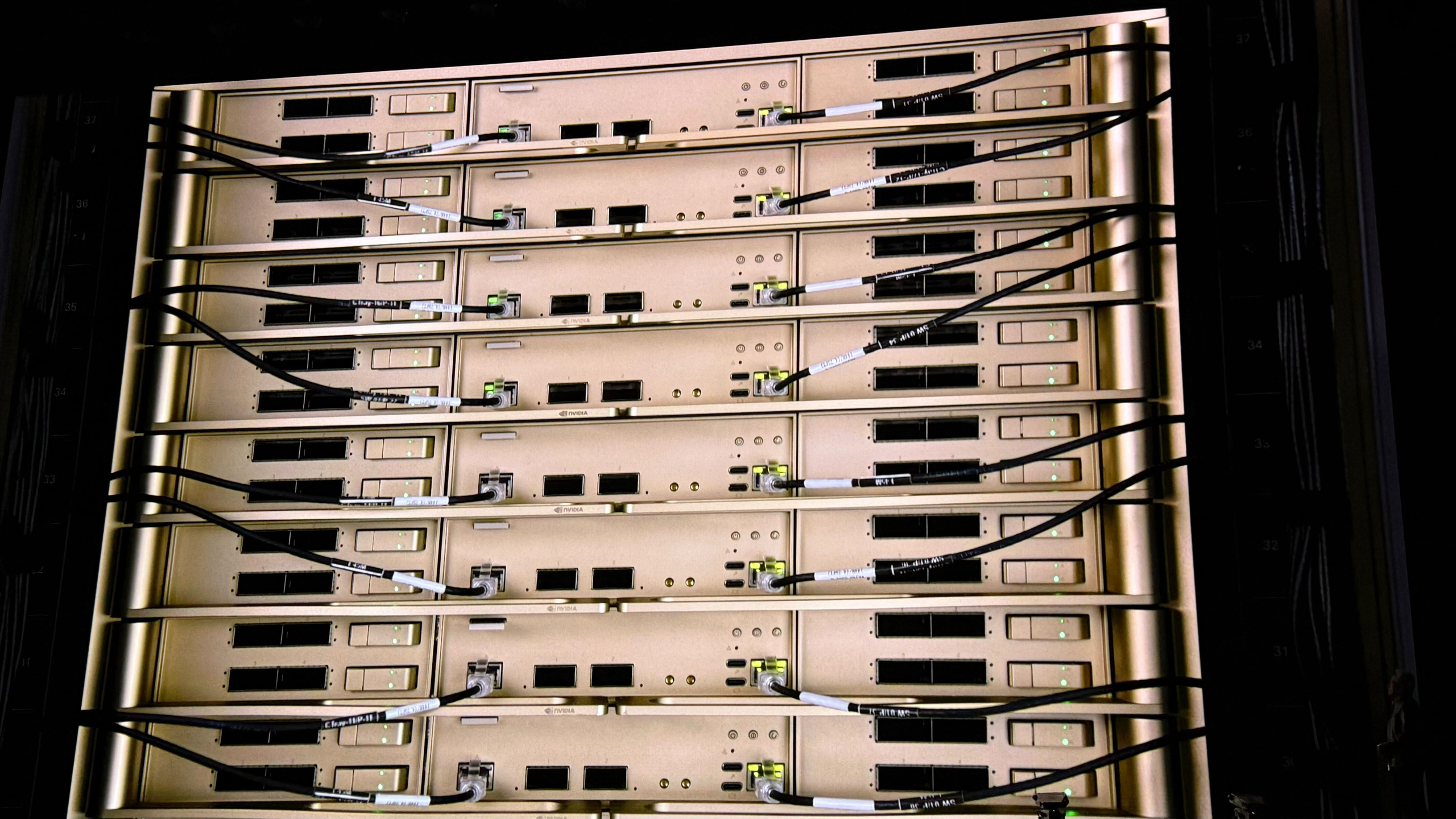
According to SemiAnalysis, as reported by Tom's Hardware, SpaceX/xAI is developing its own version of Nvidia's Vera Rubin NVL72 system, codenamed Kessel, that replaces NVLink cable assemblies with an 84-layer printed circuit board. Uses include orbital data centers.
Israeli LiDAR maker Innoviz, based in Rosh Ha'ayin, is set to let go of a significant share of its workforce, most of them in Israel. Geektime reports a quarter of the staff, about 90 people; Globes reports 20%, more than 70 employees.
Vates, the developer of Xen Orchestra, warns that an attacker is exploiting a critical authentication bypass in the platform to gain admin privileges and from there take over XCP-ng hosts. Patched versions are available.
Rafael unveiled Super Ice, a new cruise missile that the company says will carry a 1,000-pound warhead and can be launched from air, land or sea. It is comparable in size to the US-made Tomahawk.
Cloud hosting provider Railway published an incident report on its October breach: attackers decrypted environment variables for up to about 100,000 workspaces, and stolen AI keys were used for roughly $740,000 in unauthorized usage.
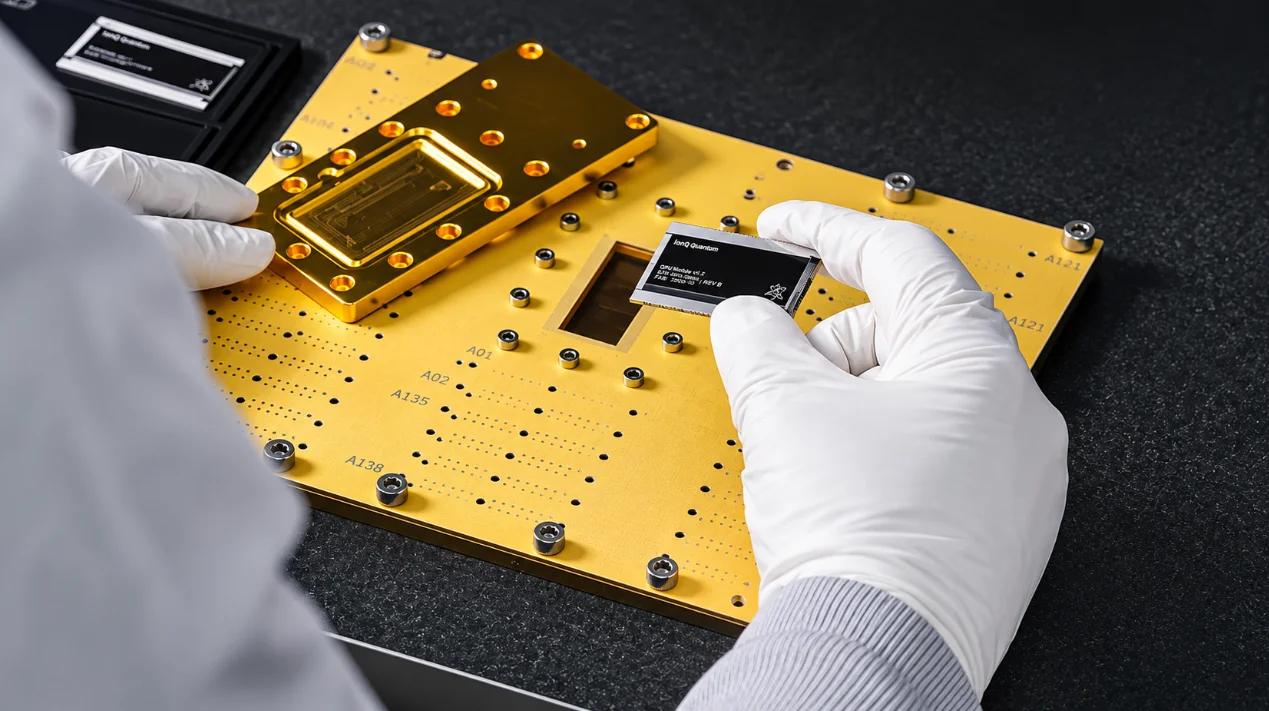
IBM announced Nighthawk r3, the next generation of its quantum processor, designed to run 10,000 quantum operations on 520 qubits. In 2027 it plans to link two of them into a single 1,040-qubit system.
The US Cybersecurity and Infrastructure Security Agency added CVE-2026-20320 in Cisco BroadWorks to its Known Exploited Vulnerabilities catalog on Tuesday, along with an Openwave flaw. Cisco patched the bug in August.
DeepMind unveiled AlphaGenome 2 on Wednesday, a DNA model that predicts how a genetic variant affects different cell types and states. It is available from today for non-commercial research through the AlphaGenome API, with a limited private preview for commercial research.
Five more stories from this round: robotics, quantum, a data breach in Japan and two Israeli cybersecurity funding rounds.
Nitori, Japan's largest furniture and home goods chain, found unauthorized access to one of its systems on 6 November, and its investigation shows up to 37.62 million records of personal data may have leaked. The attacker had likely been in the system since mid-October.
Joint research by QuEra, Harvard University and Anthropic shows that Claude, paired with an automated evaluator, designed more efficient quantum circuits. In seven of eight building blocks of quantum algorithms, its circuits needed fewer gates and fewer qubits than existing designs.
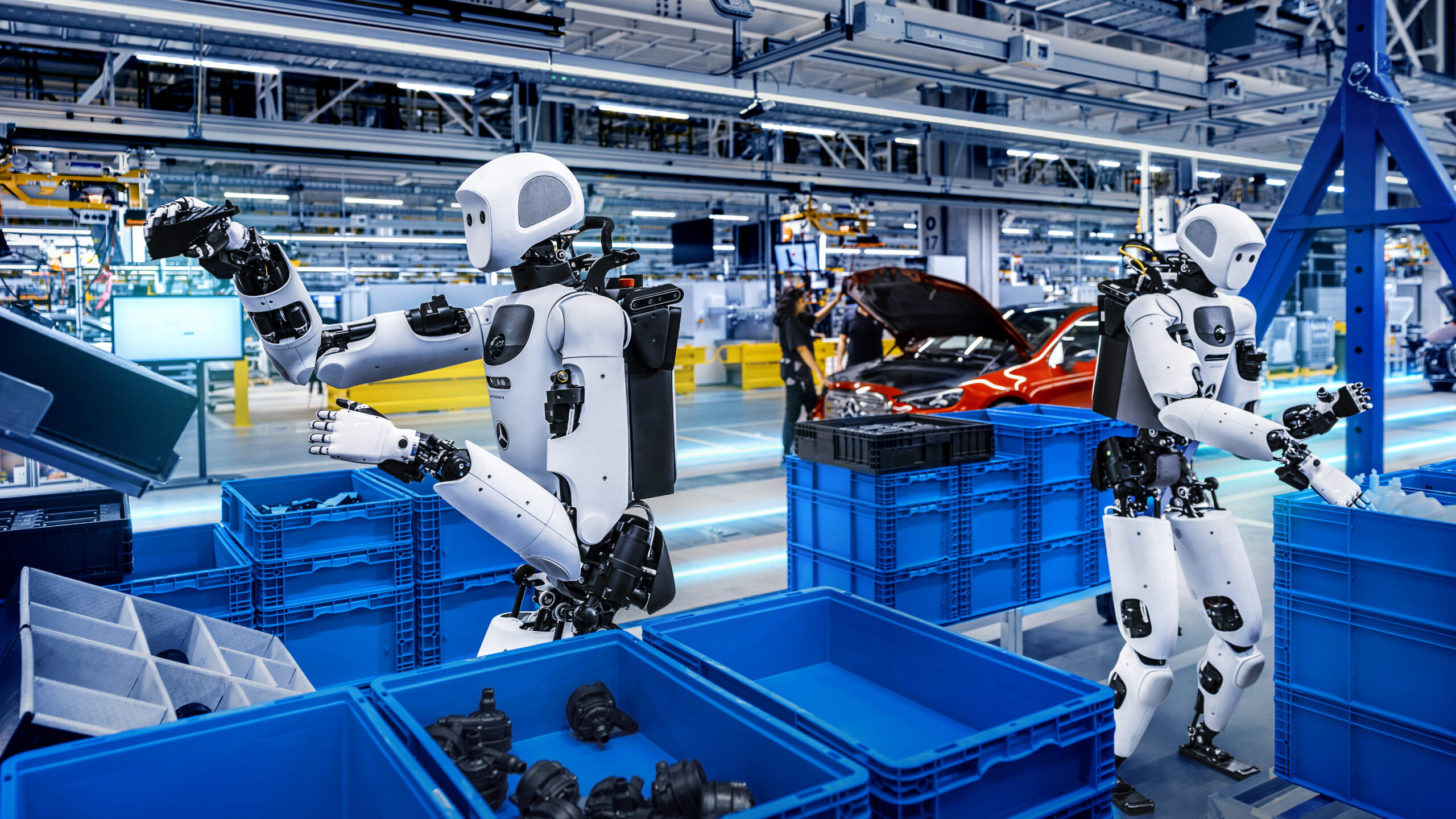
Google DeepMind unveiled Gemini Robotics 2.5, the new generation of the AI model that drives robots, with a 30% to 100% higher success rate than the previous version, according to the company. It also released ASIMOV-Jailbreak, an open set of 1,500 prompts meant to test whether a robot can be tricked into unsafe actions.
Brothers Ziv and Oded Kedem, who sold Kashya to EMC and Zerto to HPE, founded Dreeze with Avi Raichel. It came out of stealth on Tuesday with a $33 million seed round co-led by Norwest and Bessemer Venture Partners, with Claltech taking part.
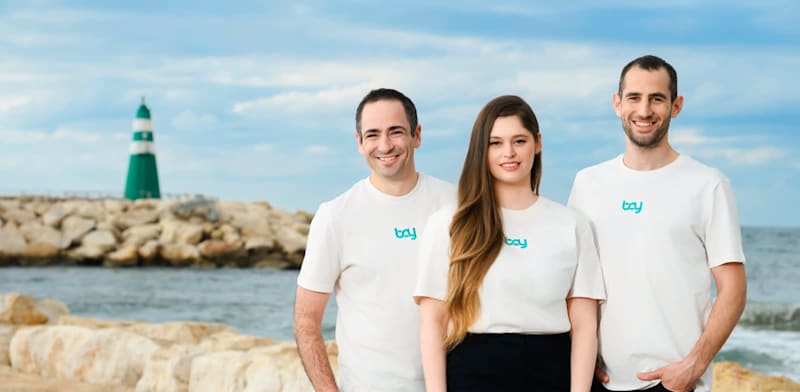
Bay, which built a platform that checks every action an AI agent takes before it runs, came out of stealth on Tuesday with $50 million raised nine months after it was founded: a $37 million Series A led by Battery Ventures and a previously undisclosed $13 million seed round.
According to a draft of the EU Quantum Act obtained by The Quantum Insider, public purchases of quantum technology and participation in strategic projects would generally be limited to EU-controlled companies. The draft also sets targets for quantum computing and networks and requires a move to quantum-resistant encryption in procurement for critical sectors.
Ring, Amazon's security camera company, set up a robotics division and showed two devices: Ring Drone Cam, a drone that flies between rooms of a home, and Ring Rover Cam, a wheeled robot that patrols businesses. The robot goes on sale on 16 December for $1,000, and the drone on 27 January for $270.
New York State on Tuesday opened a registration portal where large model developers such as OpenAI and Anthropic must register by 1 January 2027. The RAISE Act requires them to publish safety frameworks, report critical safety incidents within 72 hours and publish model transparency reports.
AI infrastructure provider Fireworks AI said its investigation into a breach detected in October found further activity, affecting account and billing details, secrets, datasets and incomplete model weights of some customers. Notion, one of its customers, says Notion AI chat transcripts were exposed too.
France's defense procurement agency (DGA) awarded Airbus Defence and Space and Thales Alenia Space a €1.5 billion (about $1.7 billion) contract for two high-resolution Earth-observation satellites under the IRIS program. The first is due to enter service in 2033.
OpenAI launched in beta a set of business tools in ChatGPT, including Business Agents: agents that represent a company and answer questions about its products. At first they are available to eligible e-commerce and online service businesses in the US, alongside Business Hub for verifying a business and seeing data on its mentions in ChatGPT.
Security firm Claroc found that Grok Build's share links, from SpaceXSI's coding agent, can be enumerated, and that more than 35,000 apps opened for anyone holding the address. Exposed data included business plans, medical test results and employee details. Grok Build users should restrict sharing.
Two weeks after launching Gemini 4 Carbon only for cyber defenders, Google on Tuesday made the model available to developers and businesses through the API and to Google AI Ultra subscribers. It is also previewing /swarm in Antigravity, which turns a single prompt into a coordinated team of agents.
Four stories from China: the FCC is weighing limits on imports of Chinese optical transceivers and Microsoft is pushing back, GPU maker Denglin raised HK$1.41 billion in its IPO, a new report says Alice Huang helped bring $7.5 billion of Nvidia chips into China, and Tesla's sales in China fell 66% in October.
Microsoft released its monthly security updates on Tuesday, with fixes for more than a thousand vulnerabilities. One of them, in Outlook, has already been exploited in attacks to steal users' authentication data. Installing the updates soon is recommended.
At an event in San Francisco on Tuesday, Anthropic unveiled three new tools for office workers: Claude Meetings, which brings Claude into video calls as a participant, Claude Sheets for shared spreadsheets and Claude Whiteboards for shared boards. All three are in beta. Claude Data left beta, and interactive connectors were added for apps from Adobe, Atlassian and HubSpot.